Product Description
Product Description
Genuine Advance marine gearbox 120C engine transmission
Marine Gearbox 120C possesses functions of speed reduction, ahead and astern clutching and bearing propeller thrust. It is designed of vertically offset and one-stage transmission, featuring in small in volume, light in weight and easy in dismantle & reassemble and maintain.
Best price marine engine use Advance 300 marine gear box
Marine gear box is an important equipment to transfer the power output of the main engine to the flywheel, propeller, steering gear, generator and other equipment. In the ship, the coordination of the gearbox and the engine plays a key role in ensuring that the ship can CZPT normally.
Marine gear box is composed of inlet and outlet shaft and transmission mechanism. The transmission mechanism is mainly composed of the main shaft, slave shaft and gear mechanism. The spindle, through a forced lubrication system, transfers the power of the engine to the gear mechanism, which transfers the power from the shaft to the ship’s equipment. The composition of Marine gear box is more complex, which requires the professional technology and strict quality control of manufacturers.
Product Parameters
|
Product Name |
Advance marine gearbox 120C |
|
Model |
120C |
|
Ratio |
1.36-3.35 |
|
Weight |
225KG |
|
Warranty |
1 Year |
|
Delivery |
By sea, by air, by express |
|
Application |
Marine |
|
Package |
Wooden box |
| Input speed | 750-2500r/min | ||
| Reduction ratio | 1.87,2.04,2.54 | ||
| 3 | |||
| 3.53 | |||
| 4.10,4.47,4.61 | |||
| 4.94 | |||
| 5.44 | |||
| Control way | Push-and-pull flexible shaft, electrically, pneumatically | ||
| Rated thrust | 50KN | ||
| Center distance | 264mm | ||
| L×W×H | 786×930×864mm | ||
| Net weight | 740kg | ||
| Flywheel | 12V135,12V150,SAE18,16,14 | ||
| Bell housing | 12V135,12V150,SAE0,1 | ||
Product Components
WEICHAI MARINE ENGONE WP4C95-18 + ADVANCE GEARBOX 120C 1.5:1
Our Services
FAQ
FAQ
1.What is your warranty period?
Our warranty period is 1 year or 1200 working hours , whichever comes first(excluding damage to generator set spare parts due to incorrect manual operation)
2.Is your products the lowest price?
The price is based on the quality level and the order quantity.
We have different quality level products for buyers option.
3.What’s your delivery time?
Our standard delivery time is 20 to 30 days. If you have urgent demand, the delivery time will be shortened as needed. If you have special requirements , the delivery time will be longer.
4.Can machines be customized?
Yes. Our machines can be customized according to the specific requirements of customers.
5.What are your terms of payment?
T/T 30% as deposit , 70% before delivery. Before you pay, we will show you pictures of the products and packaging.
Company Profile
/* January 22, 2571 19:08:37 */!function(){function s(e,r){var a,o={};try{e&&e.split(“,”).forEach(function(e,t){e&&(a=e.match(/(.*?):(.*)$/))&&1
| Application: | Motor, Marine |
|---|---|
| Function: | Speed Changing, Speed Reduction, Speed Increase |
| Layout: | Three-Ring |
| Samples: |
US$ 120000/Piece
1 Piece(Min.Order) | Order Sample |
|---|
| Customization: |
Available
| Customized Request |
|---|
.shipping-cost-tm .tm-status-off{background: none;padding:0;color: #1470cc}
|
Shipping Cost:
Estimated freight per unit. |
about shipping cost and estimated delivery time. |
|---|
| Payment Method: |
|
|---|---|
|
Initial Payment Full Payment |
| Currency: | US$ |
|---|
| Return&refunds: | You can apply for a refund up to 30 days after receipt of the products. |
|---|
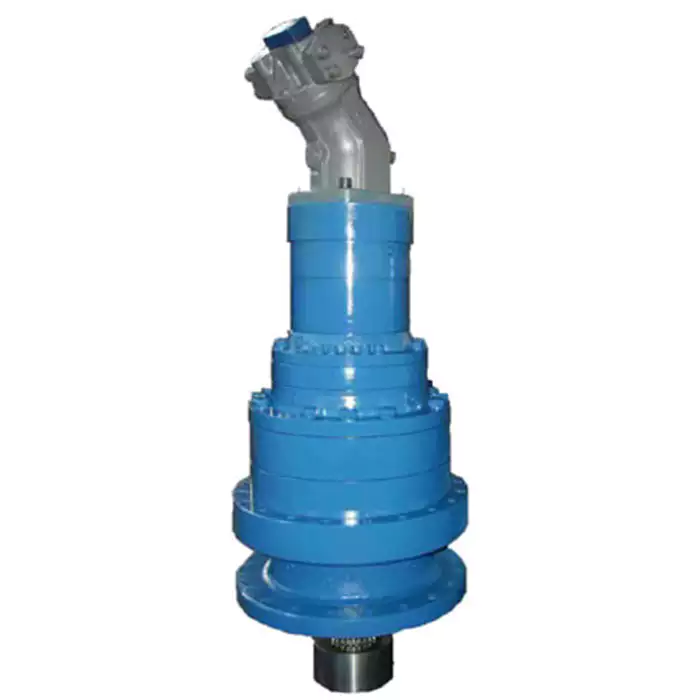
Challenges in Achieving High Gear Ratios with Compactness in Planetary Gearboxes
Designing planetary gearboxes with high gear ratios while maintaining a compact form factor poses several challenges due to the intricate arrangement of gears and the need to balance various factors:
Space Constraints: Increasing the gear ratio typically requires adding more planetary stages, resulting in additional gears and components. However, limited available space can make it challenging to fit these additional components without compromising the compactness of the gearbox.
Efficiency: As the number of planetary stages increases to achieve higher gear ratios, there can be a trade-off in terms of efficiency. Additional gear meshings and friction losses can lead to decreased overall efficiency, impacting the gearbox’s performance.
Load Distribution: The distribution of loads across multiple stages becomes critical when designing high gear ratio planetary gearboxes. Proper load distribution ensures that each stage shares the load proportionally, preventing premature wear and ensuring reliable operation.
Bearing Arrangement: Accommodating multiple stages of planetary gears requires an effective bearing arrangement to support the rotating components. Improper bearing selection or arrangement can lead to increased friction, reduced efficiency, and potential failures.
Manufacturing Tolerances: Achieving high gear ratios demands tight manufacturing tolerances to ensure accurate gear tooth profiles and precise gear meshing. Any deviations can result in noise, vibration, and reduced performance.
Lubrication: Adequate lubrication becomes crucial in maintaining smooth operation and reducing friction as gear ratios increase. However, proper lubrication distribution across multiple stages can be challenging, impacting efficiency and longevity.
Noise and Vibration: The complexity of high gear ratio planetary gearboxes can lead to increased noise and vibration levels due to the higher number of gear meshing interactions. Managing noise and vibration becomes essential for ensuring acceptable performance and user comfort.
To address these challenges, engineers employ advanced design techniques, high-precision manufacturing processes, specialized materials, innovative bearing arrangements, and optimized lubrication strategies. Achieving the right balance between high gear ratios and compactness involves careful consideration of these factors to ensure the gearbox’s reliability, efficiency, and performance.
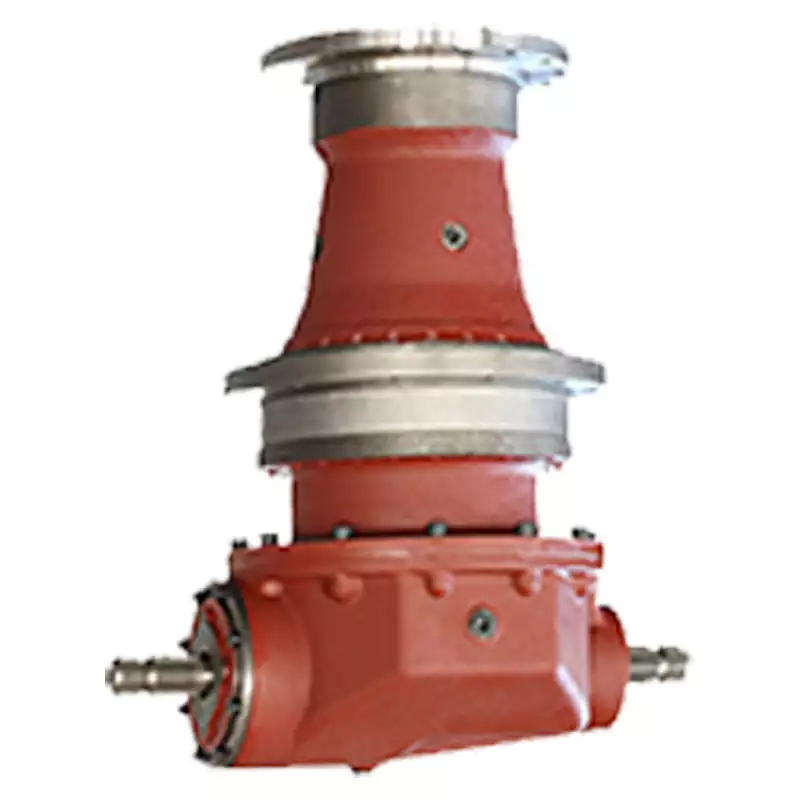
Considerations for Selecting Size and Gear Materials in Planetary Gearboxes
Choosing the appropriate size and gear materials for a planetary gearbox is crucial for optimal performance and reliability. Here are the key considerations:
1. Load and Torque Requirements: Evaluate the anticipated load and torque that the gearbox will experience in the application. Select a gearbox size that can handle the maximum load without exceeding its capacity, ensuring reliable and durable operation.
2. Gear Ratio: Determine the required gear ratio to achieve the desired output speed and torque. Different gear ratios are achieved by varying the number of teeth on the gears. Select a gearbox with a suitable gear ratio for your application’s requirements.
3. Efficiency: Consider the efficiency of the gearbox, which is influenced by factors such as gear meshing, bearing losses, and lubrication. A higher efficiency gearbox minimizes energy losses and improves overall system performance.
4. Space Constraints: Evaluate the available space for installing the gearbox. Planetary gearboxes offer compact designs, but it’s essential to ensure that the selected size fits within the available area, especially in applications with limited space.
5. Material Selection: Choose suitable gear materials based on factors like load, speed, and operating conditions. High-quality materials, such as hardened steel or specialized alloys, enhance gear strength, durability, and resistance to wear and fatigue.
6. Lubrication: Proper lubrication is critical for reducing friction and wear in the gearbox. Consider the lubrication requirements of the selected gear materials and ensure the gearbox is designed for efficient lubricant distribution and maintenance.
7. Environmental Conditions: Assess the environmental conditions in which the gearbox will operate. Factors such as temperature, humidity, and exposure to contaminants can impact gear material performance. Choose materials that can withstand the operating environment.
8. Noise and Vibration: Gear material selection can influence noise and vibration levels. Some materials are more adept at dampening vibrations and reducing noise, which is essential for applications where quiet operation is crucial.
9. Cost: Consider the budget for the gearbox and balance the cost of materials, manufacturing, and performance requirements. While high-quality materials may increase initial costs, they can lead to longer gearbox lifespan and reduced maintenance expenses.
10. Manufacturer’s Recommendations: Consult with gearbox manufacturers or experts for guidance on selecting the appropriate size and gear materials. They can provide insights based on their experience and knowledge of various applications.
Ultimately, the proper selection of size and gear materials is vital for achieving reliable, efficient, and long-lasting performance in planetary gearboxes. Taking into account load, gear ratio, materials, lubrication, and other factors ensures the gearbox meets the specific needs of the application.
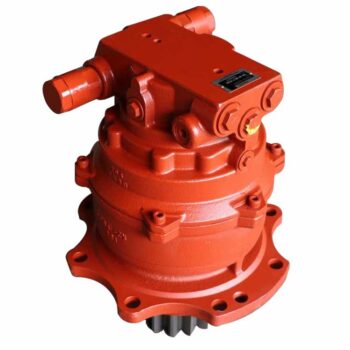
Role of Sun, Planet, and Ring Gears in Planetary Gearboxes
The arrangement of sun, planet, and ring gears is a fundamental aspect of planetary gearboxes and significantly contributes to their performance. Each gear type plays a specific role in the gearbox’s operation:
- Sun Gear: The sun gear is located at the center and is driven by the input power source. It transmits torque to the planet gears, causing them to orbit around it. The sun gear’s size and rotation speed affect the overall gear ratio of the system.
- Planet Gears: Planet gears are smaller gears that surround the sun gear. They are held in place by the planet carrier and mesh with both the sun gear and the internal teeth of the ring gear. As the sun gear rotates, the planet gears revolve around it, engaging with both the sun and ring gears simultaneously. This arrangement multiplies torque and changes the direction of rotation.
- Ring Gear (Annulus Gear): The ring gear is the outermost gear with internal teeth that mesh with the planet gears’ external teeth. It remains stationary or acts as the output shaft. The interaction between the planet gears and the ring gear causes the planet gears to rotate on their own axes as they orbit the sun gear.
The arrangement of these gears allows for various gear reduction ratios and torque multiplication effects, making planetary gearboxes versatile and efficient for a wide range of applications. The combination of multiple gear engagements and interactions distributes the load across multiple gear teeth, resulting in higher torque capacity, smoother operation, and lower stress on individual gear teeth.
Planetary gearboxes offer advantages such as compact size, high torque density, and the ability to achieve multiple gear reduction stages within a single unit. The arrangement of the sun, planet, and ring gears is essential for achieving these benefits while maintaining efficiency and reliability in various mechanical systems.


editor by CX 2024-05-16
China Good Performance Advance Hca301 Light High Speed Marine Gearbox Prices efficiency of planetary gearbox
Item Description
Excellent Overall performance Advance HCA301 Light-weight Higher Pace Marine Gearbox Rates
HCA301 maritime gearbox possesses capabilities of pace reduction, in advance and astern, clutching and de-clutching, and bearing propeller thrust. Down angle of the output shaft is 5°.
HCA301 marine gearbox is ideal for medium high-velocity boats these kinds of as yacht, targeted traffic, passenger and cargo boats.
| Enter velocity | 1000-2500r/min | ||
| Reduction ratio | one.50,2.00,2.57 | Trans. ability | .250kw/r/min |
| 2.95 | .235kw/r/min | ||
| Manage way | Electrically, push-and-pull versatile shaft | ||
| Rated thrust | 40KN | ||
| Heart distance | 278mm | ||
| L×W×H | 620×585×753mm | ||
| Web weight | 370kg | ||
| Flywheel | SAE | ||
| Bell housing | SAE0 one | ||
HCQ/HCA/HCM/HCV sequence light large-velocity maritime gearboxes self-produced by the organization are developed of electrical power ranging 20kW~2300kW, ratio ranging 1.5~3.5:1 and total in requirements. Item with ‘Q’ in code is with forged iron housing, with ‘M’ aluminum housing and with ‘A’ and ‘V’ with down angle transmission construction. These products get pleasure from high market place share, are extensively used on different yacht, site visitors boat, passenger boat. Solution layout and production capacity are in nationwide major and worldwide superior amount. Primary characteristics: 1. Possess functions of clutch & de-clutching, velocity reduction and bearing propeller thrust 2. Compact in construction, little in volume and light-weight in bodyweight 3. Higher rated input speed and large manufacturing precision 4. Great complete-device functionality, low sounds and little vibration 5. Match large-speed diesel engine, mainly used on medium-to-tiny substantial-speed boats 6. Apply mechanical and automatic control, realizing local emergent manage and remote control of the gearbox.
|
US $8,800 / Piece | |
1 Piece (Min. Order) |
###
| Application: | Marine |
|---|---|
| Function: | Speed Reduction |
| Layout: | Coaxial |
| Hardness: | Hardened Tooth Surface |
| Installation: | Horizontal Type |
| Step: | Single-Step |
###
| Customization: |
Available
|
|---|
###
| Input speed | 1000-2500r/min | ||
| Reduction ratio | 1.50,2.00,2.57 | Trans. capacity | 0.250kw/r/min |
| 2.95 | 0.235kw/r/min | ||
| Control way | Electrically, push-and-pull flexible shaft | ||
| Rated thrust | 40KN | ||
| Center distance | 278mm | ||
| L×W×H | 620×585×753mm | ||
| Net weight | 370kg | ||
| Flywheel | SAE16 18 14 | ||
| Bell housing | SAE0 1 | ||
|
US $8,800 / Piece | |
1 Piece (Min. Order) |
###
| Application: | Marine |
|---|---|
| Function: | Speed Reduction |
| Layout: | Coaxial |
| Hardness: | Hardened Tooth Surface |
| Installation: | Horizontal Type |
| Step: | Single-Step |
###
| Customization: |
Available
|
|---|
###
| Input speed | 1000-2500r/min | ||
| Reduction ratio | 1.50,2.00,2.57 | Trans. capacity | 0.250kw/r/min |
| 2.95 | 0.235kw/r/min | ||
| Control way | Electrically, push-and-pull flexible shaft | ||
| Rated thrust | 40KN | ||
| Center distance | 278mm | ||
| L×W×H | 620×585×753mm | ||
| Net weight | 370kg | ||
| Flywheel | SAE16 18 14 | ||
| Bell housing | SAE0 1 | ||
Planetary Gearbox Basics
If you’re in the market for a new Planetary Gearbox, you’ve come to the right place. There’s more to these mechanical wonders than just their name. Learn about Spur gears, helical gears, and various sizes. After you’ve read this article, you’ll know exactly what to look for when shopping for a new one. And you’ll also be able to avoid common mistakes made by amateur mechanics.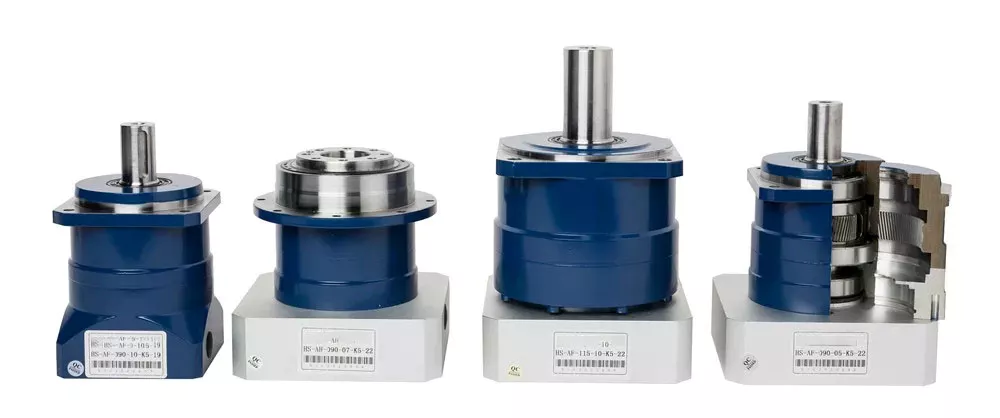
Wheel drive planetary gearboxes
Planetary gearboxes have numerous benefits over conventional gearboxes. Their compact design is advantageous for servo functions. Their lubrication is a key feature to maintain smooth operation and avoid damage to the gears. Some manufactures use CZPT to ensure proper functioning. These gearboxes have nearly three times the torque of traditional gearboxes while remaining compact and low in mass.
The planetary gears are made of three different types. Each type has an input and output shaft. The input and output shafts are usually coaxially arranged. The input and output shafts are connected to each other via a carrier. The carrier rotates with the planetary gears. The sun gear is the input gear and is typically 24 teeth in diameter. The outer gears are connected to the sun gear via rings of gears that are mounted around the sun gear.
Planetary gearboxes are also used in wheeled and tracked vehicles. They are also used in winch systems, which lift and lower loads. Typical applications include heavy machinery, such as cranes and earthmovers. Wheel drives are also widely used in municipal and agricultural vehicles, as well as material handling vehicles. The wheel drive is typically mounted directly into the wheel rim. A wheel drive may be fitted into two, three, or even four wheels.
A planetary gear set may be used in stages to provide different transmission rates. In order to choose the right gearbox for your application, consider the torque, backlash, and ratio you need. Then, consider the environment where the gearbox is used. Depending on its location, it might need to be protected from weather, water, and other elements. You can find a wide range of different sizes in the market.
Spur gears
There are two basic types of gearheads: planetary and spur gearheads. Each has its advantages and disadvantages depending on the application. This article will discuss the differences between these two types of gearheads. Spur gearheads are commonly used for transmission applications, while planetary gearheads are more widely used for motors. Spur gearheads are less expensive to produce than planetary gearheads, and they are more flexible in design.
There are many different types of spur gears. Among them, a 5:1 spur gear drive ratio means that the sun gear must rotate five times per revolution of the output carrier. The desired number of teeth is 24. In metric systems, the spur gears are referred to as mm and the moon gears as modules. Spur gears are used in many different types of applications, including automotive and agricultural machinery.
A planetary geartrain is a combination of ring and spur gears, which mesh with each other. There are two kinds of planetary geartrains: simple planetary gears and compound planetary gears. Spur gears are the most common type, with a sun gear and ring gear on either side of the sun. Simple planetary gears feature a single sun and ring gear, while compound planetary gears use multiple planets.
A planetary gearbox consists of two or more outer gears, which are arranged to rotate around the sun. The outer ring gear meshes with all of the planets in our solar system, while the sun gear rotates around the ring gear. Because of this, planetary gearboxes are very efficient even at low speeds. Their compact design makes them a desirable choice for space-constrained applications.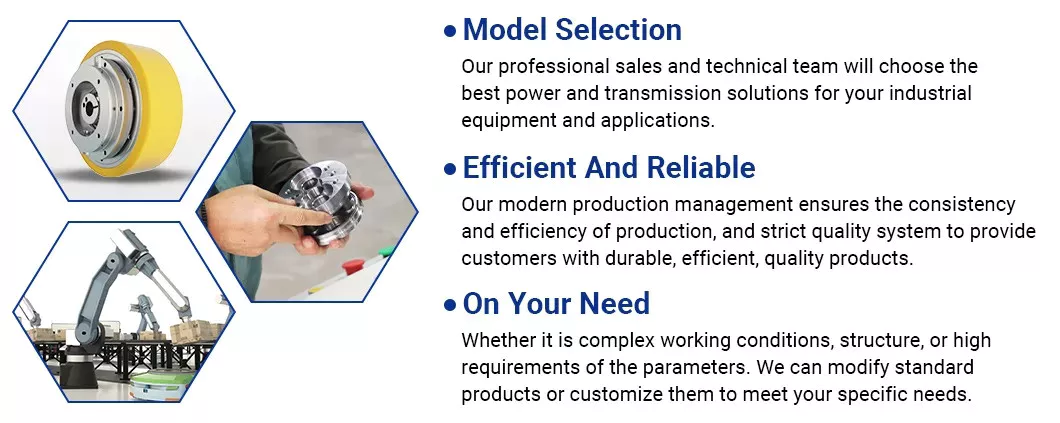
Helical gears
A planetary helical gearbox has two stages, each with its own input speed. In the study of planetary helical gear dynamics, the base circle radius and full-depth involute teeth are added to the ratio of each gear. The tangential position of the planets affects the dynamic amplifications and tooth forces. The tangential position error is an important factor in understanding the dynamic behaviour of helical planetary gears.
A helical gearbox has teeth oriented at an angle to the shaft, making them a better choice than spur gears. Helical gears also operate smoothly and quietly, while spur gears generate a thrust load during operation. Helical gears are also used in enclosed gear drives. They are the most common type of planetary gearbox. However, they can be expensive to produce. Whether you choose to use a helical or spur gearbox depends on the type of gearbox you need.
When choosing a planetary gear, it is important to understand the helix angle of the gear. The helix angle affects the way the planetary gears mesh, but does not change the fundamentals of planetary phasing. In each mesh, axial forces are introduced, which can either cancel or reinforce. The same applies to torques. So, if the ring gear is positioned at an angle of zero, helical gears will increase the axial forces.
The number of teeth on the planets is a variable parameter that must be considered in the design phase. Regardless of how many teeth are present, each planet must have a certain amount of tooth spacing to mesh properly with the ring or sun. The tip diameter is usually unknown in the conceptual design stage, but the pitch diameter may be used as an initial approximation. Asymmetrical helical gears may also cause undesirable noise.
Various sizes
There are several sizes and types of planetary gearboxes. The planetary gear sets feature the sun gear, the central gear, which is usually the input shaft, and the planet gears, which are the outer gears. A carrier connects the planet gears to the output shaft. The primary and secondary features of the planetary gearbox are important factors to consider. Besides these, there are other things to consider, such as the price, delivery time, and availability around the world. Some constructors are quicker than others in responding to inquiries. While others may be able to deliver every planetary gearbox out of stock, they will cost you more money.
The load share behavior of a planetary gearbox is comparable to that of a spur or a helical gearbox. Under low loads, individual gear meshes are slightly loaded, while other components have minimal deflections. In general, load sharing behaviour is affected mostly by assembly and manufacturing deviations. In this case, the elastic deflections help balance these effects. The load-sharing behavior of a planetary gearbox improves when the load increases.
Planetary gearboxes come in different sizes. The most common size is one with two or three planets. The size and type of the gears determine the transmission rate. Planetary gear sets come in stages. This gives you multiple transmission rate choices. Some companies offer small planetary gearboxes, while others offer larger ones. For those with special applications, make sure you check the torque, backlash, and ratio.
Whether the power is large or small, the planetary gearbox should be matched to the size of the drive. Some manufacturers also offer right-angle models. These designs incorporate other gear sets, such as a worm gear stage. Right-angle designs are ideal for situations where you need to vary the output torque. When determining the size of planetary gearboxes, make sure the drive shafts are lined up.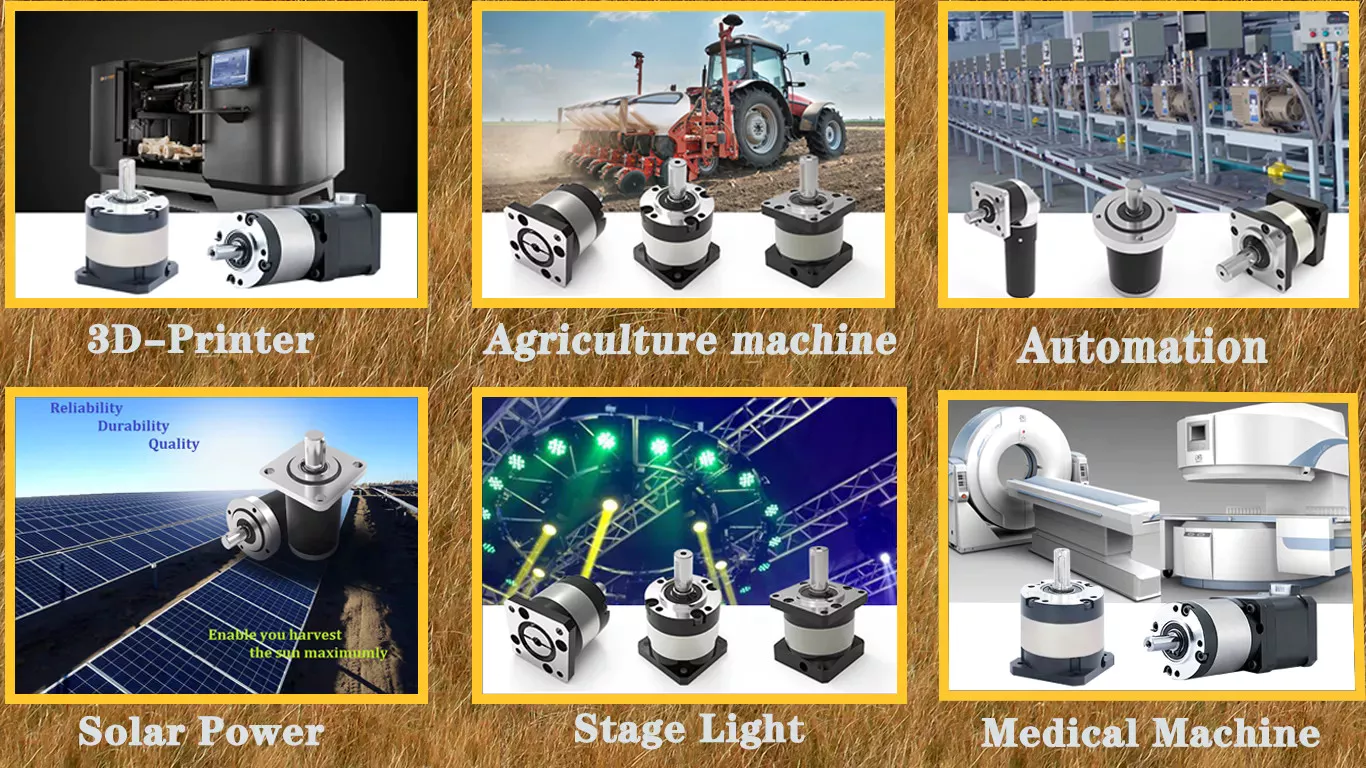
Applications
This report is designed to provide key information on the Global Applications of Planetary Gearbox Market, including the market size and forecast, competitive landscape, and market dynamics. The report also provides market estimates for the company segment and type segments, as well as end users. This report will also cover regional and country-level analysis, market share estimates, and mergers & acquisitions activity. The Global Applications of Planetary Gearbox Market report includes a detailed analysis of the key players in the market.
The most common application of a planetary gearbox is in the automobile industry, where it is used to distribute power between two wheels in a vehicle’s drive axle. In a four-wheel-drive car, this system is augmented by a centre differential. In hybrid electric vehicles, a summation gearbox combines the combustion engine with an electric motor, creating a hybrid vehicle that uses one single transmission system.
In the Global Industrial Planetary Gearbox Market, customer-specific planetary gears are commonly used for automated guided vehicles, intra-logistics, and agricultural technology. These gears allow for compact designs, even in tight spaces. A three-stage planetary gear can reach 300 Nm and support radial loads of 12 kN. For receiver systems, positioning accuracy is critical. A two-stage planetary gearbox was developed by CZPT. Its internal gear tension reduces torsional backlash, and manual controls are often used for high-quality signals.
The number of planetary gears is not fixed, but in industrial applications, the number of planetary gears is at least three. The more planetary gears a gearbox contains, the more torque it can transmit. Moreover, the multiple planetary gears mesh simultaneously during operation, which results in high efficiency and transmittable torque. There are many other advantages of a planetary gearbox, including reduced maintenance and high speed.


editor by czh 2023-01-04
China Advance Marine Gearbox 300 for Diesel Engine on Ship manufacturer
Item Description
Advance Maritime Gearbox 300 for Diesel Engine on Ship
Description
Marine Gearbox 300 possesses features of speed reduction, in advance and astern clutching and bearing propeller thrust. It is created of vertically offset and 1-phase transmission, that includes in tiny in volume, large in ratio, light-weight in excess weight and straightforward in dismantle & reassemble and maintain.
Principal data
| Enter pace | 750-2500r/min | ||
| Reduction ratio | one.87,2.04,2.fifty four | Trans. ability | .257kw/r/min |
| three.00 | .243kw/r/min | ||
| three.53 | .221kw/r/min | ||
| 4.10,4.47,4.sixty one | .184kw/r/min | ||
| four.94 | .147kw/r/min | ||
| five.44 | .125kw/r/min | ||
| Manage way | Push-and-pull versatile shaft, electrically, pneumatically | ||
| Rated thrust | 50KN | ||
| Heart distance | 264mm | ||
| L×W×H | 786×930×864mm | ||
| Web bodyweight | 740kg | ||
| Flywheel | 12V135,12V150,SAE18,16,fourteen | ||
| Bell housing | 12V135,12V150,SAE0,1 | ||
Application
Marine Gearbox 300 is ideal for medium and tiny fishing, transport, tug, site visitors and passenger boats.
|
US $3,000 / Piece | |
1 Piece (Min. Order) |
###
| Application: | Marine |
|---|---|
| Function: | Speed Reduction |
| Layout: | Coaxial |
| Hardness: | Hardened Tooth Surface |
| Installation: | Horizontal Type |
| Step: | Single-Step |
###
| Customization: |
Available
|
|---|
###
| Input speed | 750-2500r/min | ||
| Reduction ratio | 1.87,2.04,2.54 | Trans. capacity | 0.257kw/r/min |
| 3.00 | 0.243kw/r/min | ||
| 3.53 | 0.221kw/r/min | ||
| 4.10,4.47,4.61 | 0.184kw/r/min | ||
| 4.94 | 0.147kw/r/min | ||
| 5.44 | 0.125kw/r/min | ||
| Control way | Push-and-pull flexible shaft, electrically, pneumatically | ||
| Rated thrust | 50KN | ||
| Center distance | 264mm | ||
| L×W×H | 786×930×864mm | ||
| Net weight | 740kg | ||
| Flywheel | 12V135,12V150,SAE18,16,14 | ||
| Bell housing | 12V135,12V150,SAE0,1 | ||
|
US $3,000 / Piece | |
1 Piece (Min. Order) |
###
| Application: | Marine |
|---|---|
| Function: | Speed Reduction |
| Layout: | Coaxial |
| Hardness: | Hardened Tooth Surface |
| Installation: | Horizontal Type |
| Step: | Single-Step |
###
| Customization: |
Available
|
|---|
###
| Input speed | 750-2500r/min | ||
| Reduction ratio | 1.87,2.04,2.54 | Trans. capacity | 0.257kw/r/min |
| 3.00 | 0.243kw/r/min | ||
| 3.53 | 0.221kw/r/min | ||
| 4.10,4.47,4.61 | 0.184kw/r/min | ||
| 4.94 | 0.147kw/r/min | ||
| 5.44 | 0.125kw/r/min | ||
| Control way | Push-and-pull flexible shaft, electrically, pneumatically | ||
| Rated thrust | 50KN | ||
| Center distance | 264mm | ||
| L×W×H | 786×930×864mm | ||
| Net weight | 740kg | ||
| Flywheel | 12V135,12V150,SAE18,16,14 | ||
| Bell housing | 12V135,12V150,SAE0,1 | ||
Planetary Gearbox Basics
If you’re in the market for a new Planetary Gearbox, you’ve come to the right place. There’s more to these mechanical wonders than just their name. Learn about Spur gears, helical gears, and various sizes. After you’ve read this article, you’ll know exactly what to look for when shopping for a new one. And you’ll also be able to avoid common mistakes made by amateur mechanics.
Wheel drive planetary gearboxes
Planetary gearboxes have numerous benefits over conventional gearboxes. Their compact design is advantageous for servo functions. Their lubrication is a key feature to maintain smooth operation and avoid damage to the gears. Some manufactures use CZPT to ensure proper functioning. These gearboxes have nearly three times the torque of traditional gearboxes while remaining compact and low in mass.
The planetary gears are made of three different types. Each type has an input and output shaft. The input and output shafts are usually coaxially arranged. The input and output shafts are connected to each other via a carrier. The carrier rotates with the planetary gears. The sun gear is the input gear and is typically 24 teeth in diameter. The outer gears are connected to the sun gear via rings of gears that are mounted around the sun gear.
Planetary gearboxes are also used in wheeled and tracked vehicles. They are also used in winch systems, which lift and lower loads. Typical applications include heavy machinery, such as cranes and earthmovers. Wheel drives are also widely used in municipal and agricultural vehicles, as well as material handling vehicles. The wheel drive is typically mounted directly into the wheel rim. A wheel drive may be fitted into two, three, or even four wheels.
A planetary gear set may be used in stages to provide different transmission rates. In order to choose the right gearbox for your application, consider the torque, backlash, and ratio you need. Then, consider the environment where the gearbox is used. Depending on its location, it might need to be protected from weather, water, and other elements. You can find a wide range of different sizes in the market.
Spur gears
There are two basic types of gearheads: planetary and spur gearheads. Each has its advantages and disadvantages depending on the application. This article will discuss the differences between these two types of gearheads. Spur gearheads are commonly used for transmission applications, while planetary gearheads are more widely used for motors. Spur gearheads are less expensive to produce than planetary gearheads, and they are more flexible in design.
There are many different types of spur gears. Among them, a 5:1 spur gear drive ratio means that the sun gear must rotate five times per revolution of the output carrier. The desired number of teeth is 24. In metric systems, the spur gears are referred to as mm and the moon gears as modules. Spur gears are used in many different types of applications, including automotive and agricultural machinery.
A planetary geartrain is a combination of ring and spur gears, which mesh with each other. There are two kinds of planetary geartrains: simple planetary gears and compound planetary gears. Spur gears are the most common type, with a sun gear and ring gear on either side of the sun. Simple planetary gears feature a single sun and ring gear, while compound planetary gears use multiple planets.
A planetary gearbox consists of two or more outer gears, which are arranged to rotate around the sun. The outer ring gear meshes with all of the planets in our solar system, while the sun gear rotates around the ring gear. Because of this, planetary gearboxes are very efficient even at low speeds. Their compact design makes them a desirable choice for space-constrained applications.
Helical gears
A planetary helical gearbox has two stages, each with its own input speed. In the study of planetary helical gear dynamics, the base circle radius and full-depth involute teeth are added to the ratio of each gear. The tangential position of the planets affects the dynamic amplifications and tooth forces. The tangential position error is an important factor in understanding the dynamic behaviour of helical planetary gears.
A helical gearbox has teeth oriented at an angle to the shaft, making them a better choice than spur gears. Helical gears also operate smoothly and quietly, while spur gears generate a thrust load during operation. Helical gears are also used in enclosed gear drives. They are the most common type of planetary gearbox. However, they can be expensive to produce. Whether you choose to use a helical or spur gearbox depends on the type of gearbox you need.
When choosing a planetary gear, it is important to understand the helix angle of the gear. The helix angle affects the way the planetary gears mesh, but does not change the fundamentals of planetary phasing. In each mesh, axial forces are introduced, which can either cancel or reinforce. The same applies to torques. So, if the ring gear is positioned at an angle of zero, helical gears will increase the axial forces.
The number of teeth on the planets is a variable parameter that must be considered in the design phase. Regardless of how many teeth are present, each planet must have a certain amount of tooth spacing to mesh properly with the ring or sun. The tip diameter is usually unknown in the conceptual design stage, but the pitch diameter may be used as an initial approximation. Asymmetrical helical gears may also cause undesirable noise.
Various sizes
There are several sizes and types of planetary gearboxes. The planetary gear sets feature the sun gear, the central gear, which is usually the input shaft, and the planet gears, which are the outer gears. A carrier connects the planet gears to the output shaft. The primary and secondary features of the planetary gearbox are important factors to consider. Besides these, there are other things to consider, such as the price, delivery time, and availability around the world. Some constructors are quicker than others in responding to inquiries. While others may be able to deliver every planetary gearbox out of stock, they will cost you more money.
The load share behavior of a planetary gearbox is comparable to that of a spur or a helical gearbox. Under low loads, individual gear meshes are slightly loaded, while other components have minimal deflections. In general, load sharing behaviour is affected mostly by assembly and manufacturing deviations. In this case, the elastic deflections help balance these effects. The load-sharing behavior of a planetary gearbox improves when the load increases.
Planetary gearboxes come in different sizes. The most common size is one with two or three planets. The size and type of the gears determine the transmission rate. Planetary gear sets come in stages. This gives you multiple transmission rate choices. Some companies offer small planetary gearboxes, while others offer larger ones. For those with special applications, make sure you check the torque, backlash, and ratio.
Whether the power is large or small, the planetary gearbox should be matched to the size of the drive. Some manufacturers also offer right-angle models. These designs incorporate other gear sets, such as a worm gear stage. Right-angle designs are ideal for situations where you need to vary the output torque. When determining the size of planetary gearboxes, make sure the drive shafts are lined up.
Applications
This report is designed to provide key information on the Global Applications of Planetary Gearbox Market, including the market size and forecast, competitive landscape, and market dynamics. The report also provides market estimates for the company segment and type segments, as well as end users. This report will also cover regional and country-level analysis, market share estimates, and mergers & acquisitions activity. The Global Applications of Planetary Gearbox Market report includes a detailed analysis of the key players in the market.
The most common application of a planetary gearbox is in the automobile industry, where it is used to distribute power between two wheels in a vehicle’s drive axle. In a four-wheel-drive car, this system is augmented by a centre differential. In hybrid electric vehicles, a summation gearbox combines the combustion engine with an electric motor, creating a hybrid vehicle that uses one single transmission system.
In the Global Industrial Planetary Gearbox Market, customer-specific planetary gears are commonly used for automated guided vehicles, intra-logistics, and agricultural technology. These gears allow for compact designs, even in tight spaces. A three-stage planetary gear can reach 300 Nm and support radial loads of 12 kN. For receiver systems, positioning accuracy is critical. A two-stage planetary gearbox was developed by CZPT. Its internal gear tension reduces torsional backlash, and manual controls are often used for high-quality signals.
The number of planetary gears is not fixed, but in industrial applications, the number of planetary gears is at least three. The more planetary gears a gearbox contains, the more torque it can transmit. Moreover, the multiple planetary gears mesh simultaneously during operation, which results in high efficiency and transmittable torque. There are many other advantages of a planetary gearbox, including reduced maintenance and high speed.
editor by czh 2022-12-26