
Product Description
Linear and Angular Planetary Gearbox Replacement of CZPT Riduttori RR65 RR105 RR110 RR210 RR310 RR510 RR710 RR810 RR1571 RR17 Newton. rice
*Output speed: 0.425-445 r/min
*Structural mode: possibility of the flange, anchor, or shaft installation solution
*Extensive and comprehensive industrial application n series
*Low-speed shaft design: cylindrical shaft with key, spline shaft, hollow shaft with shrink disk, or hollow spline shaft
*Rigid precision ductile iron shell
*Low noise operation, high manufacturing quality standards
*High performance, high reliability, strong bearing capacity, low-speed bearing
Application of Linear and Angular Planetary Gearbox
*Machinery industry, chemical and plastic industry, food industry
*Construction, Industry
*Mining, agriculture, forestry,
*Transportation and lifting system,
*Navy, wind turbine.
Other Types of Planetary Gearboxes
PAG Auger Drive Manufacturer
For 15 years, we have been focusing on mechanical transmission solutions. We are always committed to providing customers with high-quality reducers and professional configurations to meet their unique requirements. We have established long-term cooperative relations with customers in many fields. We sincerely hope you will become 1 of them and work with us to promote technological progress and explore the future.
We have the most advanced testing equipment, such as a spectrum analyzer, tensile strength tester, impact value tester, hardness tester, magnetic particle flaw detector, sand blasting machine, and heat treatment equipment, which are used to detect the chemical composition of rubber materials. In addition, the precision machining workshop has advanced equipment: 23 CNC lathes, 10 vertical CNC boring and milling machines imported from South Korea and 1 horizontal boring and milling center, 2 ordinary milling machines, 2 general lathes, 1 grinder, 10 drilling machines and taps, 2 semi-automatic saws, 1 coordinate measuring machine, 1 projector, 1 processing surface quality testing machine, 1 MAH altimeter. The tolerance of our products can be controlled below 0.01mm.
Our factory
Related Products
For more reducers and mechanical accessories, please click here to view
/* January 22, 2571 19:08:37 */!function(){function s(e,r){var a,o={};try{e&&e.split(“,”).forEach(function(e,t){e&&(a=e.match(/(.*?):(.*)$/))&&1
| Application: | Motor, Electric Cars, Motorcycle, Machinery, Marine, Toy, Agricultural Machinery, Car |
|---|---|
| Function: | Distribution Power, Speed Changing, Speed Reduction |
| Layout: | Wrom |
| Hardness: | Hardened Tooth Surface |
| Installation: | Planetary |
| Step: | Planetary |
| Customization: | Available | Customized Request |
|---|
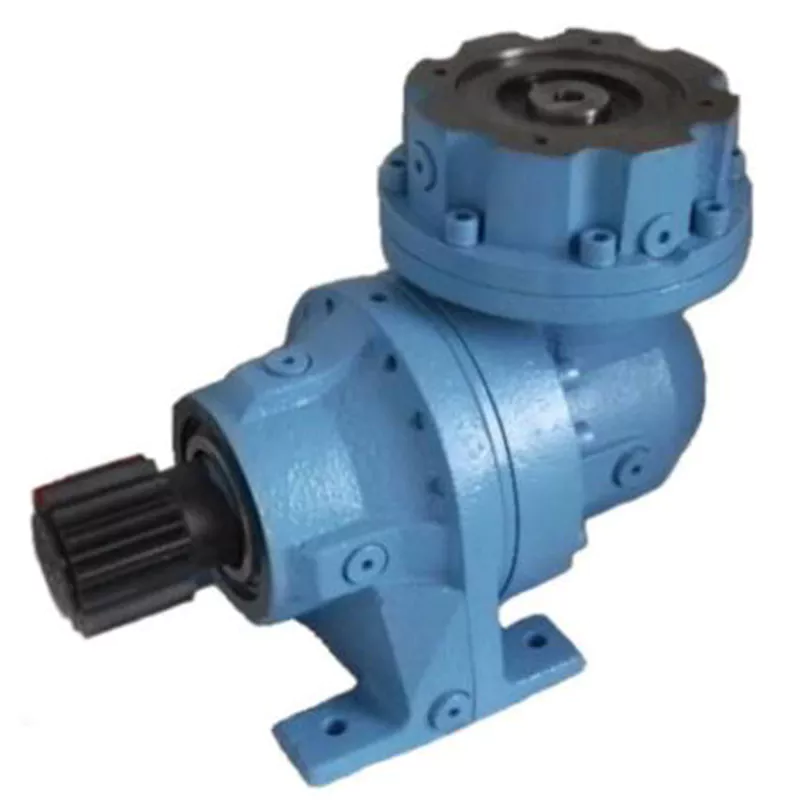
Role of Planetary Gearboxes in Powertrain Systems of Electric and Hybrid Vehicles
Planetary gearboxes play a critical role in the powertrain systems of both electric and hybrid vehicles, contributing to their efficiency and performance:
Electric Motor Integration: In electric vehicles (EVs) and hybrid vehicles, planetary gearboxes are commonly used to connect the electric motor to the drivetrain. They enable torque and speed transformation, ensuring the motor’s output is suitable for the vehicle’s desired speed range and load conditions.
Torque Splitting in Hybrids: Hybrid vehicles often have both an internal combustion engine (ICE) and an electric motor. Planetary gearboxes enable torque splitting between the two power sources, optimizing their combined performance for various driving scenarios, such as electric-only mode, hybrid mode, and regenerative braking.
Regenerative Braking: Planetary gearboxes facilitate regenerative braking in electric and hybrid vehicles. They enable the electric motor to function as a generator, converting kinetic energy into electrical energy during deceleration. This energy can then be stored in the vehicle’s battery for later use.
Compact Design: Planetary gearboxes offer a compact design with a high power density, making them suitable for the limited space available in electric and hybrid vehicles. This compactness allows manufacturers to maximize interior space and accommodate battery packs, drivetrain components, and other systems.
Efficient Power Distribution: The unique arrangement of planetary gears allows for efficient power distribution and torque management. This is particularly important in electric and hybrid powertrains, where optimal power allocation between different components contributes to overall efficiency.
CVT Functionality: Some hybrid vehicles incorporate Continuously Variable Transmission (CVT) functionality using planetary gearsets. This enables seamless and efficient transitions between various gear ratios, improving the driving experience and enhancing fuel efficiency.
Performance Modes: Planetary gearboxes facilitate the implementation of different performance modes in electric and hybrid vehicles. These modes, such as “Sport” or “Eco,” adjust the power distribution and gear ratios to optimize performance or energy efficiency based on the driver’s preferences.
Reduction Gear for Electric Motors: Electric motors often operate at high speeds and require reduction gearing to match the vehicle’s requirements. Planetary gearboxes provide the necessary gear reduction while maintaining efficiency and torque output.
Efficient Torque Transfer: Planetary gearboxes ensure efficient transfer of torque from the power source to the wheels, resulting in smooth acceleration and responsive performance in electric and hybrid vehicles.
Integration with Energy Storage: Planetary gearboxes contribute to the integration of energy storage systems, such as lithium-ion batteries, by efficiently connecting the power source to the drivetrain while managing power delivery and regeneration.
In summary, planetary gearboxes are integral components of the powertrain systems in electric and hybrid vehicles. They enable efficient power distribution, torque transformation, regenerative braking, and various driving modes, contributing to the overall performance, efficiency, and sustainability of these vehicles.
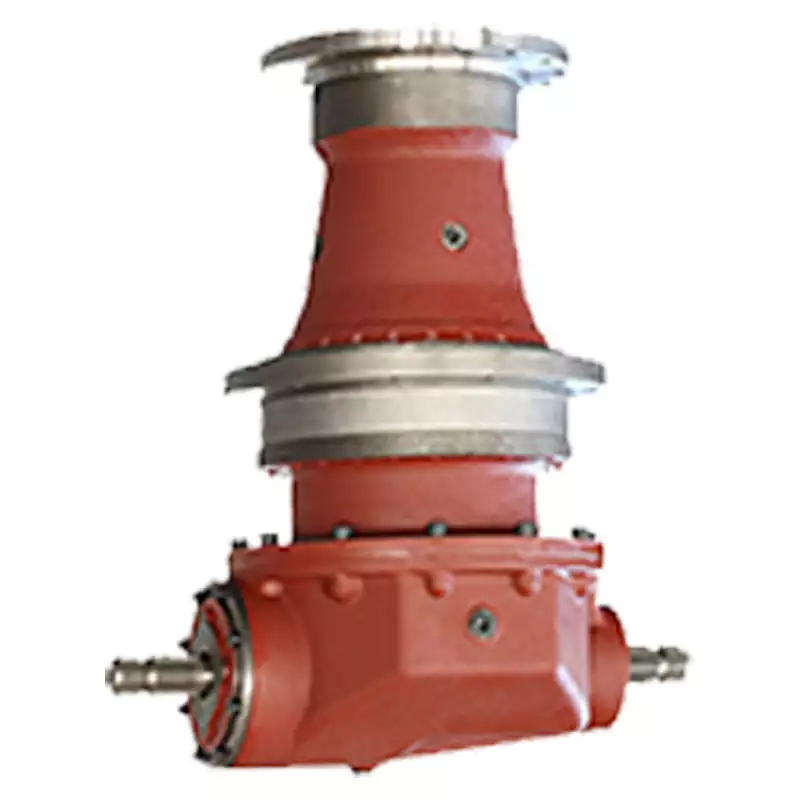
Considerations for Selecting Size and Gear Materials in Planetary Gearboxes
Choosing the appropriate size and gear materials for a planetary gearbox is crucial for optimal performance and reliability. Here are the key considerations:
1. Load and Torque Requirements: Evaluate the anticipated load and torque that the gearbox will experience in the application. Select a gearbox size that can handle the maximum load without exceeding its capacity, ensuring reliable and durable operation.
2. Gear Ratio: Determine the required gear ratio to achieve the desired output speed and torque. Different gear ratios are achieved by varying the number of teeth on the gears. Select a gearbox with a suitable gear ratio for your application’s requirements.
3. Efficiency: Consider the efficiency of the gearbox, which is influenced by factors such as gear meshing, bearing losses, and lubrication. A higher efficiency gearbox minimizes energy losses and improves overall system performance.
4. Space Constraints: Evaluate the available space for installing the gearbox. Planetary gearboxes offer compact designs, but it’s essential to ensure that the selected size fits within the available area, especially in applications with limited space.
5. Material Selection: Choose suitable gear materials based on factors like load, speed, and operating conditions. High-quality materials, such as hardened steel or specialized alloys, enhance gear strength, durability, and resistance to wear and fatigue.
6. Lubrication: Proper lubrication is critical for reducing friction and wear in the gearbox. Consider the lubrication requirements of the selected gear materials and ensure the gearbox is designed for efficient lubricant distribution and maintenance.
7. Environmental Conditions: Assess the environmental conditions in which the gearbox will operate. Factors such as temperature, humidity, and exposure to contaminants can impact gear material performance. Choose materials that can withstand the operating environment.
8. Noise and Vibration: Gear material selection can influence noise and vibration levels. Some materials are more adept at dampening vibrations and reducing noise, which is essential for applications where quiet operation is crucial.
9. Cost: Consider the budget for the gearbox and balance the cost of materials, manufacturing, and performance requirements. While high-quality materials may increase initial costs, they can lead to longer gearbox lifespan and reduced maintenance expenses.
10. Manufacturer’s Recommendations: Consult with gearbox manufacturers or experts for guidance on selecting the appropriate size and gear materials. They can provide insights based on their experience and knowledge of various applications.
Ultimately, the proper selection of size and gear materials is vital for achieving reliable, efficient, and long-lasting performance in planetary gearboxes. Taking into account load, gear ratio, materials, lubrication, and other factors ensures the gearbox meets the specific needs of the application.
Factors to Consider When Selecting a Planetary Gearbox
Choosing the right planetary gearbox for a specific application involves considering various factors to ensure optimal performance and compatibility. Here are the key factors to keep in mind:
- Load Requirements: Determine the torque and speed requirements of your application. Planetary gearboxes offer different torque and speed ratios, so selecting the appropriate gearbox with the right load capacity is crucial.
- Ratio: Evaluate the gear reduction ratio needed to achieve the desired output speed and torque. Planetary gearboxes come in various gear ratios, allowing you to customize the output characteristics.
- Efficiency: Consider the gearbox’s efficiency, as it affects energy consumption and heat generation. Higher efficiency gearboxes minimize power losses during transmission.
- Size and Compactness: Planetary gearboxes are known for their compact size, but it’s essential to choose a size that fits within the available space while meeting performance requirements.
- Mounting Configuration: Determine how the gearbox will be mounted in your application. Planetary gearboxes can have different mounting options, including flange, shaft, or foot mountings.
- Input and Output Types: Select the appropriate input and output shaft configurations, such as male, female, keyed, splined, or hollow shafts, to ensure compatibility with your equipment.
- Environment: Consider the operating environment, including temperature, humidity, dust, and potential exposure to chemicals. Choose a gearbox with appropriate seals and materials to withstand the conditions.
- Accuracy: Some applications require precise motion control. If accuracy is essential, choose a gearbox with minimal backlash and high gear mesh quality.
- Service Life and Reliability: Evaluate the gearbox’s expected service life and reliability based on the manufacturer’s specifications. Choose a reputable manufacturer known for producing reliable products.
- Backlash: Backlash is the play between gears that can affect positioning accuracy. Depending on your application, you might need a gearbox with low backlash or a method to compensate for it.
- Budget: Consider your budget constraints while balancing performance requirements. Sometimes, investing in a higher-quality gearbox upfront can lead to long-term cost savings through reduced maintenance and downtime.
By carefully considering these factors and consulting with gearbox manufacturers or experts, you can select a planetary gearbox that best meets the unique demands of your application.


editor by CX 2024-05-09