Product Description
Product Description
Genuine Advance marine gearbox 120C engine transmission
Marine Gearbox 120C possesses functions of speed reduction, ahead and astern clutching and bearing propeller thrust. It is designed of vertically offset and one-stage transmission, featuring in small in volume, light in weight and easy in dismantle & reassemble and maintain.
Best price marine engine use Advance 300 marine gear box
Marine gear box is an important equipment to transfer the power output of the main engine to the flywheel, propeller, steering gear, generator and other equipment. In the ship, the coordination of the gearbox and the engine plays a key role in ensuring that the ship can CZPT normally.
Marine gear box is composed of inlet and outlet shaft and transmission mechanism. The transmission mechanism is mainly composed of the main shaft, slave shaft and gear mechanism. The spindle, through a forced lubrication system, transfers the power of the engine to the gear mechanism, which transfers the power from the shaft to the ship’s equipment. The composition of Marine gear box is more complex, which requires the professional technology and strict quality control of manufacturers.
Product Parameters
|
Product Name |
Advance marine gearbox 120C |
|
Model |
120C |
|
Ratio |
1.36-3.35 |
|
Weight |
225KG |
|
Warranty |
1 Year |
|
Delivery |
By sea, by air, by express |
|
Application |
Marine |
|
Package |
Wooden box |
| Input speed | 750-2500r/min | ||
| Reduction ratio | 1.87,2.04,2.54 | ||
| 3 | |||
| 3.53 | |||
| 4.10,4.47,4.61 | |||
| 4.94 | |||
| 5.44 | |||
| Control way | Push-and-pull flexible shaft, electrically, pneumatically | ||
| Rated thrust | 50KN | ||
| Center distance | 264mm | ||
| L×W×H | 786×930×864mm | ||
| Net weight | 740kg | ||
| Flywheel | 12V135,12V150,SAE18,16,14 | ||
| Bell housing | 12V135,12V150,SAE0,1 | ||
Product Components
WEICHAI MARINE ENGONE WP4C95-18 + ADVANCE GEARBOX 120C 1.5:1
Our Services
FAQ
FAQ
1.What is your warranty period?
Our warranty period is 1 year or 1200 working hours , whichever comes first(excluding damage to generator set spare parts due to incorrect manual operation)
2.Is your products the lowest price?
The price is based on the quality level and the order quantity.
We have different quality level products for buyers option.
3.What’s your delivery time?
Our standard delivery time is 20 to 30 days. If you have urgent demand, the delivery time will be shortened as needed. If you have special requirements , the delivery time will be longer.
4.Can machines be customized?
Yes. Our machines can be customized according to the specific requirements of customers.
5.What are your terms of payment?
T/T 30% as deposit , 70% before delivery. Before you pay, we will show you pictures of the products and packaging.
Company Profile
/* January 22, 2571 19:08:37 */!function(){function s(e,r){var a,o={};try{e&&e.split(“,”).forEach(function(e,t){e&&(a=e.match(/(.*?):(.*)$/))&&1
| Application: | Motor, Marine |
|---|---|
| Function: | Speed Changing, Speed Reduction, Speed Increase |
| Layout: | Three-Ring |
| Samples: |
US$ 120000/Piece
1 Piece(Min.Order) | Order Sample |
|---|
| Customization: |
Available
| Customized Request |
|---|
.shipping-cost-tm .tm-status-off{background: none;padding:0;color: #1470cc}
|
Shipping Cost:
Estimated freight per unit. |
about shipping cost and estimated delivery time. |
|---|
| Payment Method: |
|
|---|---|
|
Initial Payment Full Payment |
| Currency: | US$ |
|---|
| Return&refunds: | You can apply for a refund up to 30 days after receipt of the products. |
|---|
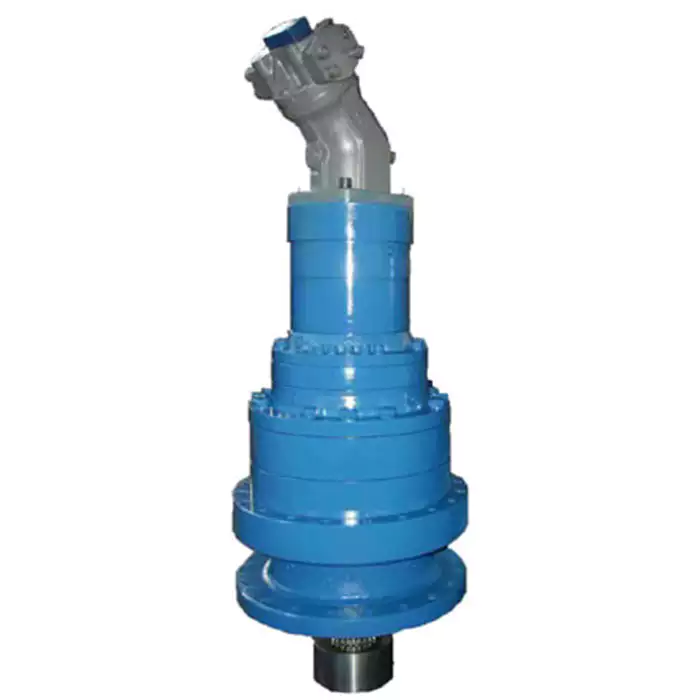
Challenges in Achieving High Gear Ratios with Compactness in Planetary Gearboxes
Designing planetary gearboxes with high gear ratios while maintaining a compact form factor poses several challenges due to the intricate arrangement of gears and the need to balance various factors:
Space Constraints: Increasing the gear ratio typically requires adding more planetary stages, resulting in additional gears and components. However, limited available space can make it challenging to fit these additional components without compromising the compactness of the gearbox.
Efficiency: As the number of planetary stages increases to achieve higher gear ratios, there can be a trade-off in terms of efficiency. Additional gear meshings and friction losses can lead to decreased overall efficiency, impacting the gearbox’s performance.
Load Distribution: The distribution of loads across multiple stages becomes critical when designing high gear ratio planetary gearboxes. Proper load distribution ensures that each stage shares the load proportionally, preventing premature wear and ensuring reliable operation.
Bearing Arrangement: Accommodating multiple stages of planetary gears requires an effective bearing arrangement to support the rotating components. Improper bearing selection or arrangement can lead to increased friction, reduced efficiency, and potential failures.
Manufacturing Tolerances: Achieving high gear ratios demands tight manufacturing tolerances to ensure accurate gear tooth profiles and precise gear meshing. Any deviations can result in noise, vibration, and reduced performance.
Lubrication: Adequate lubrication becomes crucial in maintaining smooth operation and reducing friction as gear ratios increase. However, proper lubrication distribution across multiple stages can be challenging, impacting efficiency and longevity.
Noise and Vibration: The complexity of high gear ratio planetary gearboxes can lead to increased noise and vibration levels due to the higher number of gear meshing interactions. Managing noise and vibration becomes essential for ensuring acceptable performance and user comfort.
To address these challenges, engineers employ advanced design techniques, high-precision manufacturing processes, specialized materials, innovative bearing arrangements, and optimized lubrication strategies. Achieving the right balance between high gear ratios and compactness involves careful consideration of these factors to ensure the gearbox’s reliability, efficiency, and performance.
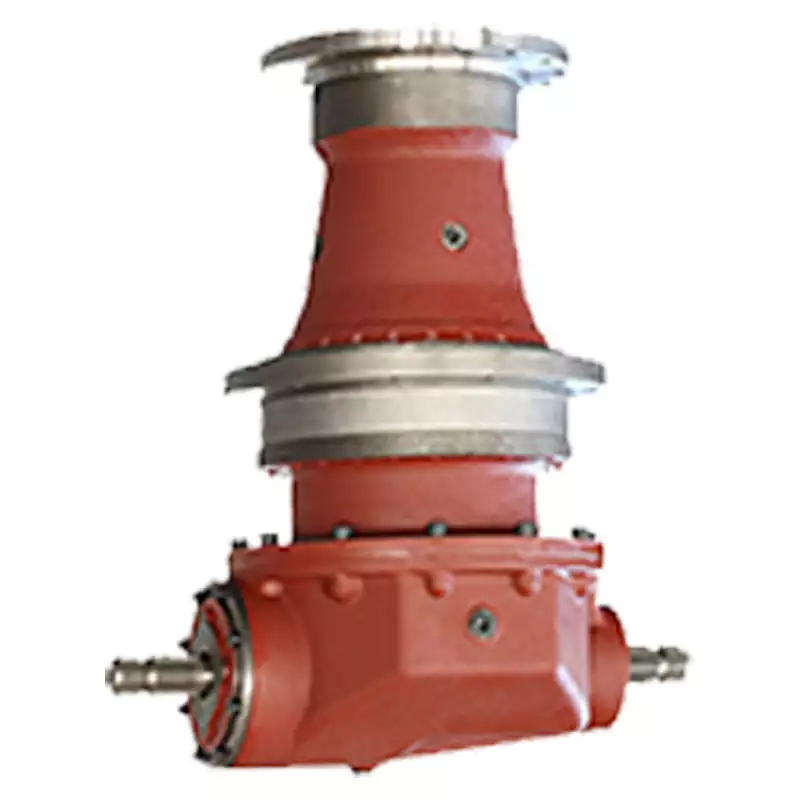
Considerations for Selecting Size and Gear Materials in Planetary Gearboxes
Choosing the appropriate size and gear materials for a planetary gearbox is crucial for optimal performance and reliability. Here are the key considerations:
1. Load and Torque Requirements: Evaluate the anticipated load and torque that the gearbox will experience in the application. Select a gearbox size that can handle the maximum load without exceeding its capacity, ensuring reliable and durable operation.
2. Gear Ratio: Determine the required gear ratio to achieve the desired output speed and torque. Different gear ratios are achieved by varying the number of teeth on the gears. Select a gearbox with a suitable gear ratio for your application’s requirements.
3. Efficiency: Consider the efficiency of the gearbox, which is influenced by factors such as gear meshing, bearing losses, and lubrication. A higher efficiency gearbox minimizes energy losses and improves overall system performance.
4. Space Constraints: Evaluate the available space for installing the gearbox. Planetary gearboxes offer compact designs, but it’s essential to ensure that the selected size fits within the available area, especially in applications with limited space.
5. Material Selection: Choose suitable gear materials based on factors like load, speed, and operating conditions. High-quality materials, such as hardened steel or specialized alloys, enhance gear strength, durability, and resistance to wear and fatigue.
6. Lubrication: Proper lubrication is critical for reducing friction and wear in the gearbox. Consider the lubrication requirements of the selected gear materials and ensure the gearbox is designed for efficient lubricant distribution and maintenance.
7. Environmental Conditions: Assess the environmental conditions in which the gearbox will operate. Factors such as temperature, humidity, and exposure to contaminants can impact gear material performance. Choose materials that can withstand the operating environment.
8. Noise and Vibration: Gear material selection can influence noise and vibration levels. Some materials are more adept at dampening vibrations and reducing noise, which is essential for applications where quiet operation is crucial.
9. Cost: Consider the budget for the gearbox and balance the cost of materials, manufacturing, and performance requirements. While high-quality materials may increase initial costs, they can lead to longer gearbox lifespan and reduced maintenance expenses.
10. Manufacturer’s Recommendations: Consult with gearbox manufacturers or experts for guidance on selecting the appropriate size and gear materials. They can provide insights based on their experience and knowledge of various applications.
Ultimately, the proper selection of size and gear materials is vital for achieving reliable, efficient, and long-lasting performance in planetary gearboxes. Taking into account load, gear ratio, materials, lubrication, and other factors ensures the gearbox meets the specific needs of the application.
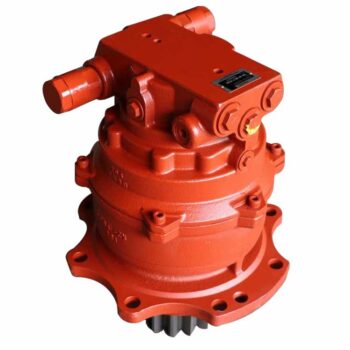
Role of Sun, Planet, and Ring Gears in Planetary Gearboxes
The arrangement of sun, planet, and ring gears is a fundamental aspect of planetary gearboxes and significantly contributes to their performance. Each gear type plays a specific role in the gearbox’s operation:
- Sun Gear: The sun gear is located at the center and is driven by the input power source. It transmits torque to the planet gears, causing them to orbit around it. The sun gear’s size and rotation speed affect the overall gear ratio of the system.
- Planet Gears: Planet gears are smaller gears that surround the sun gear. They are held in place by the planet carrier and mesh with both the sun gear and the internal teeth of the ring gear. As the sun gear rotates, the planet gears revolve around it, engaging with both the sun and ring gears simultaneously. This arrangement multiplies torque and changes the direction of rotation.
- Ring Gear (Annulus Gear): The ring gear is the outermost gear with internal teeth that mesh with the planet gears’ external teeth. It remains stationary or acts as the output shaft. The interaction between the planet gears and the ring gear causes the planet gears to rotate on their own axes as they orbit the sun gear.
The arrangement of these gears allows for various gear reduction ratios and torque multiplication effects, making planetary gearboxes versatile and efficient for a wide range of applications. The combination of multiple gear engagements and interactions distributes the load across multiple gear teeth, resulting in higher torque capacity, smoother operation, and lower stress on individual gear teeth.
Planetary gearboxes offer advantages such as compact size, high torque density, and the ability to achieve multiple gear reduction stages within a single unit. The arrangement of the sun, planet, and ring gears is essential for achieving these benefits while maintaining efficiency and reliability in various mechanical systems.


editor by CX 2024-05-16