Product Description
PRF90 Series High Precision Spur Gear Transmission Planetary Gear Box For Servo Motor
There are many kinds and models of reducers. According to the control accuracy, reducers can be divided into general transmission reducers and precision reducers: general transmission reducers have low control accuracy and can meet the basic power transmission requirements of general mechanical equipment; Precision reducer has high precision, long service life, small return clearance and high reliability. It is suitable for high-end fields such as industrial robots, CNC machine tools, aerospace and so on.
Product Parameters
1.Square flange output,standard size;
2.The input connection specifications are competeand there are many choices;
3.Straight transmission,single cantilever structure,design simple,high cost performance;
4.Stable operation,low noise;
5.Keyway can be opened in the force shaft;
6.Size range:40-160mm;
7.Ratio range:3-100;
8.Precision range:8-16arcmin
| Specifications | PRF40 | PRF60 | PRF80 | PRF90 | PRF120 | PRF160 | |||
| Technal Parameters | |||||||||
| Max. Torque | Nm | 1.5times rated torque | |||||||
| Emergency Stop Torque | Nm | 2.5times rated torque | |||||||
| Max. Radial Load | N | 185 | 240 | 400 | 450 | 1240 | 2250 | ||
| Max. Axial Load | N | 150 | 220 | 420 | 430 | 1000 | 1500 | ||
| Torsional Rigidity | Nm/arcmin | 0.7 | 1.8 | 4.7 | 4.85 | 11 | 35 | ||
| Max.Input Speed | rpm | 8000 | 8000 | 6000 | 6000 | 6000 | 4000 | ||
| Rated Input Speed | rpm | 4500 | 4000 | 3500 | 3500 | 3500 | 3000 | ||
| Noise | dB | ≤55 | ≤58 | ≤60 | ≤60 | ≤65 | ≤70 | ||
| Average Life Time | h | 20000 | |||||||
| Efficiency Of Full Load | % | L1≥96% L2≥94% | |||||||
| Return Backlash | P1 | L1 | arcmin | ≤8 | ≤8 | ≤8 | ≤8 | ≤8 | ≤8 |
| L2 | arcmin | ≤12 | ≤12 | ≤12 | ≤12 | ≤12 | ≤12 | ||
| P2 | L1 | arcmin | ≤16 | ≤16 | ≤16 | ≤16 | ≤16 | ≤16 | |
| L2 | arcmin | ≤20 | ≤20 | ≤20 | ≤20 | ≤20 | ≤20 | ||
| Moment Of Inertia Table | L1 | 3 | Kg*cm2 | 0.1 | 0.46 | 0.77 | 1.73 | 12.78 | 36.72 |
| 4 | Kg*cm2 | 0.1 | 0.46 | 0.77 | 1.73 | 12.78 | 36.72 | ||
| 5 | Kg*cm2 | 0.1 | 0.46 | 0.77 | 1.73 | 12.78 | 36.72 | ||
| 7 | Kg*cm2 | 0.06 | 0.41 | 0.65 | 1.42 | 11.38 | 34.02 | ||
| 10 | Kg*cm2 | 0.06 | 0.41 | 0.65 | 1.42 | 11.38 | 34.02 | ||
| L2 | 12 | Kg*cm2 | 0.08 | 0.44 | 0.72 | 1.49 | 12.18 | 34.24 | |
| 15 | Kg*cm2 | 0.08 | 0.44 | 0.72 | 1.49 | 12.18 | 34.24 | ||
| 16 | Kg*cm2 | 0.08 | 0.44 | 0.72 | 1.49 | 12.18 | 34.24 | ||
| 20 | Kg*cm2 | 0.08 | 0.44 | 0.72 | 1.49 | 12.18 | 34.24 | ||
| 25 | Kg*cm2 | 0.08 | 0.44 | 0.72 | 1.49 | 12.18 | 34.24 | ||
| 28 | Kg*cm2 | 0.08 | 0.44 | 0.72 | 1.49 | 12.18 | 34.24 | ||
| 30 | Kg*cm2 | 0.08 | 0.44 | 0.72 | 1.49 | 12.18 | 34.24 | ||
| 35 | Kg*cm2 | 0.08 | 0.44 | 0.72 | 1.49 | 12.18 | 34.24 | ||
| 40 | Kg*cm2 | 0.08 | 0.44 | 0.72 | 1.49 | 12.18 | 34.24 | ||
| 50 | Kg*cm2 | 0.05 | 0.34 | 0.58 | 1.25 | 11.48 | 34.02 | ||
| 70 | Kg*cm2 | 0.05 | 0.34 | 0.58 | 1.25 | 11.48 | 34.02 | ||
| 100 | Kg*cm2 | 0.05 | 0.34 | 0.58 | 1.25 | 11.48 | 34.02 | ||
| Technical Parameter | Level | Ratio | PRF40 | PRF60 | PRF80 | PRF90 | PRF120 | PRF160 | |
| Rated Torque | L1 | 3 | Nm | / | 27 | 50 | 96 | 161 | 384 |
| 4 | Nm | 16 | 40 | 90 | 122 | 210 | 423 | ||
| 5 | Nm | 15 | 40 | 90 | 122 | 210 | 423 | ||
| 7 | Nm | 12 | 34 | 48 | 95 | 170 | 358 | ||
| 10 | Nm | 10 | 16 | 22 | 56 | 86 | 210 | ||
| L2 | 12 | Nm | / | 27 | 50 | 95 | 161 | 364 | |
| 15 | Nm | / | 27 | 50 | 96 | 161 | 364 | ||
| 16 | Nm | 16 | 40 | 90 | 122 | 210 | 423 | ||
| 20 | Nm | 15 | 40 | 90 | 122 | 210 | 423 | ||
| 25 | Nm | 16 | 40 | 90 | 122 | 210 | 423 | ||
| 28 | Nm | 16 | 40 | 90 | 122 | 210 | 423 | ||
| 30 | Nm | / | 27 | 50 | 96 | 161 | 364 | ||
| 35 | Nm | 12 | 40 | 90 | 122 | 210 | 423 | ||
| 40 | Nm | 16 | 40 | 90 | 122 | 210 | 423 | ||
| 50 | Nm | 15 | 40 | 90 | 122 | 210 | 423 | ||
| 70 | Nm | 12 | 34 | 48 | 95 | 170 | 358 | ||
| 100 | Nm | 10 | 16 | 22 | 96 | 80 | 210 | ||
| Degree Of Protection | IP65 | ||||||||
| Operation Temprature | ºC | – 10ºC to -90ºC | |||||||
| Weight | L1 | kg | 0.43 | 0.98 | 2.3 | 3.12 | 7.08 | 15.5 | |
| L2 | kg | 0.65 | 1.26 | 2.97 | 3.82 | 8.7 | 17 | ||
Company Profile
Packaging & Shipping
1. Lead time: 7-10 working days as usual, 20 working days in busy season, it will be based on the detailed order quantity;
2. Delivery: DHL/ UPS/ FEDEX/ EMS/ TNT
FAQ
1. Who are we?
Hefa Group is based in ZheJiang , China, start from 1998,has a 3 subsidiaries in total.The Main Products is planetary gearbox,timing belt pulley, helical gear,spur gear,gear rack,gear ring,chain wheel,hollow rotating platform,module,etc
2. How can we guarantee quality?
Always a pre-production sample before mass production;
Always final Inspection before shipment;
3. How to choose the suitable planetary gearbox?
First of all,we need you to be able to provide relevant parameters.If you have a motor drawing,it will let us recommend a suitable gearbox for you faster.If not,we hope you can provide the following motor parameters:output speed,output torque,voltage,current,ip,noise,operating conditions,motor size and power,etc
4. Why should you buy from us not from other suppliers?
We are 22 years experiences manufacturer on making the gears, specializing in manufacturing all kinds of spur/bevel/helical gear, grinding gear, gear shaft, timing pulley, rack, planetary gear reducer, timing belt and such transmission gear parts
5. What services can we provide?
Accepted Delivery Terms: Fedex,DHL,UPS;
Accepted Payment Currency:USD,EUR,HKD,GBP,CNY;
Accepted Payment Type: T/T,L/C,PayPal,Western Union;
Language Spoken:English,Chinese,Japanese
/* January 22, 2571 19:08:37 */!function(){function s(e,r){var a,o={};try{e&&e.split(“,”).forEach(function(e,t){e&&(a=e.match(/(.*?):(.*)$/))&&1
| Application: | Industrial |
|---|---|
| Speed: | Low Speed |
| Function: | Driving |
| Casing Protection: | Closed Type |
| Starting Mode: | Direct on-line Starting |
| Certification: | ISO9001 |
| Samples: |
US$ 15/Piece
1 Piece(Min.Order) | |
|---|
| Customization: |
Available
| Customized Request |
|---|
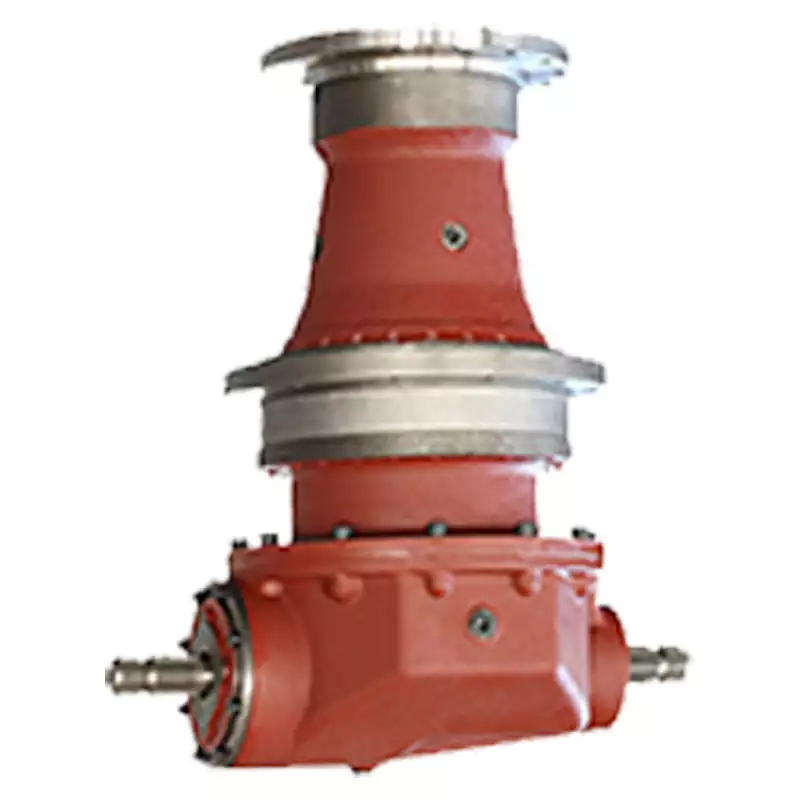
Contribution of Planetary Gearboxes to Conveyor Belt Efficiency in Mining Operations
Planetary gearboxes play a significant role in enhancing the efficiency of conveyor belts used in mining operations:
- High Torque Capability: Planetary gearboxes are capable of providing high torque output, which is essential for handling heavy loads of mined materials on conveyor belts.
- Compact Design: The compact nature of planetary gearboxes allows them to be integrated into tight spaces, making them suitable for conveyor systems where space is limited.
- Multi-Stage Design: Planetary gearboxes can achieve high gear ratios through multiple stages of gear reduction. This allows for efficient power transmission from the motor to the conveyor, reducing the load on the motor and increasing overall efficiency.
- Load Distribution: Planetary gearboxes distribute the load across multiple planet gears, which helps in minimizing wear and ensuring longer lifespan of the gearbox.
- Variable Speed Control: By using planetary gearboxes with variable speed capabilities, conveyor belts can be operated at different speeds to match the processing requirements, optimizing material handling and energy consumption.
- Overload Protection: Some planetary gearboxes feature built-in overload protection mechanisms, safeguarding the gearbox and conveyor system from damage due to sudden increases in load.
Overall, planetary gearboxes enhance the efficiency, reliability, and performance of conveyor belts in mining operations by providing the necessary torque, compact design, and precise control needed to transport mined materials effectively.
Considerations for Selecting Size and Gear Materials in Planetary Gearboxes
Choosing the appropriate size and gear materials for a planetary gearbox is crucial for optimal performance and reliability. Here are the key considerations:
1. Load and Torque Requirements: Evaluate the anticipated load and torque that the gearbox will experience in the application. Select a gearbox size that can handle the maximum load without exceeding its capacity, ensuring reliable and durable operation.
2. Gear Ratio: Determine the required gear ratio to achieve the desired output speed and torque. Different gear ratios are achieved by varying the number of teeth on the gears. Select a gearbox with a suitable gear ratio for your application’s requirements.
3. Efficiency: Consider the efficiency of the gearbox, which is influenced by factors such as gear meshing, bearing losses, and lubrication. A higher efficiency gearbox minimizes energy losses and improves overall system performance.
4. Space Constraints: Evaluate the available space for installing the gearbox. Planetary gearboxes offer compact designs, but it’s essential to ensure that the selected size fits within the available area, especially in applications with limited space.
5. Material Selection: Choose suitable gear materials based on factors like load, speed, and operating conditions. High-quality materials, such as hardened steel or specialized alloys, enhance gear strength, durability, and resistance to wear and fatigue.
6. Lubrication: Proper lubrication is critical for reducing friction and wear in the gearbox. Consider the lubrication requirements of the selected gear materials and ensure the gearbox is designed for efficient lubricant distribution and maintenance.
7. Environmental Conditions: Assess the environmental conditions in which the gearbox will operate. Factors such as temperature, humidity, and exposure to contaminants can impact gear material performance. Choose materials that can withstand the operating environment.
8. Noise and Vibration: Gear material selection can influence noise and vibration levels. Some materials are more adept at dampening vibrations and reducing noise, which is essential for applications where quiet operation is crucial.
9. Cost: Consider the budget for the gearbox and balance the cost of materials, manufacturing, and performance requirements. While high-quality materials may increase initial costs, they can lead to longer gearbox lifespan and reduced maintenance expenses.
10. Manufacturer’s Recommendations: Consult with gearbox manufacturers or experts for guidance on selecting the appropriate size and gear materials. They can provide insights based on their experience and knowledge of various applications.
Ultimately, the proper selection of size and gear materials is vital for achieving reliable, efficient, and long-lasting performance in planetary gearboxes. Taking into account load, gear ratio, materials, lubrication, and other factors ensures the gearbox meets the specific needs of the application.
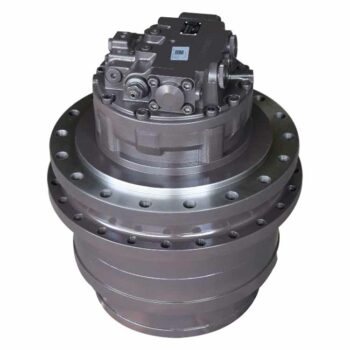
Energy Efficiency of a Worm Gearbox: What to Expect
The energy efficiency of a worm gearbox is an important factor to consider when evaluating its performance. Here’s what you can expect in terms of energy efficiency:
- Typical Efficiency Range: Worm gearboxes are known for their compact size and high gear reduction capabilities, but they can exhibit lower energy efficiency compared to other types of gearboxes. The efficiency of a worm gearbox typically falls in the range of 50% to 90%, depending on various factors such as design, manufacturing quality, lubrication, and load conditions.
- Inherent Losses: Worm gearboxes inherently involve sliding contact between the worm and worm wheel. This sliding contact generates friction, leading to energy losses in the form of heat. The sliding action also contributes to lower efficiency when compared to gearboxes with rolling contact.
- Helical-Worm Design: Some manufacturers offer helical-worm gearbox designs that combine elements of helical and worm gearing. These designs aim to improve efficiency by incorporating helical gears in the reduction stage, which can lead to higher efficiency compared to traditional worm gearboxes.
- Lubrication: Proper lubrication plays a significant role in minimizing friction and improving energy efficiency. Using high-quality lubricants and ensuring the gearbox is adequately lubricated can help reduce losses due to friction.
- Application Considerations: While worm gearboxes might have lower energy efficiency compared to other types of gearboxes, they still offer advantages in terms of compactness, high torque transmission, and simplicity. Therefore, the decision to use a worm gearbox should consider the specific requirements of the application, including the trade-off between energy efficiency and other performance factors.
When selecting a worm gearbox, it’s essential to consider the trade-offs between energy efficiency, torque transmission, gearbox size, and the specific needs of the application. Regular maintenance, proper lubrication, and selecting a well-designed gearbox can contribute to achieving the best possible energy efficiency within the limitations of worm gearbox technology.


editor by CX 2024-05-16