Product Description
Product Description
Product Parameters
| Parameters | Unit | Level | Reduction Ratio | Flange Size Specification | |||||
| 060 | 090 | 115 | 142 | 180 | 220 | ||||
| Rated output torque T2n | N.m | 1 | 3 | 55 | 130 | 208 | 342 | 750 | 1140 |
| 4 | 50 | 140 | 290 | 542 | 1050 | 1700 | |||
| 5 | 60 | 160 | 330 | 650 | 1200 | 2000 | |||
| 6 | 55 | 140 | 300 | 550 | 1100 | 1800 | |||
| 7 | 50 | 140 | 300 | 550 | 1100 | 1800 | |||
| 8 | 45 | 120 | 260 | 500 | 1000 | 1600 | |||
| 10 | 40 | 100 | 230 | 450 | 900 | 1500 | |||
| 2 | 12 | 55 | 130 | 208 | 342 | 1050 | 1700 | ||
| 15 | 60 | 160 | 330 | 650 | 1200 | 2000 | |||
| 20 | 60 | 160 | 330 | 650 | 1200 | 2000 | |||
| 25 | 60 | 160 | 330 | 650 | 1200 | 2000 | |||
| 28 | 50 | 140 | 300 | 550 | 1100 | 1800 | |||
| 30 | 55 | 130 | 230 | 450 | 900 | 1500 | |||
| 35 | 60 | 160 | 330 | 650 | 1200 | 2000 | |||
| 40 | 60 | 160 | 330 | 650 | 1200 | 2000 | |||
| 50 | 60 | 160 | 330 | 650 | 1200 | 2000 | |||
| 70 | 50 | 140 | 300 | 550 | 1100 | 1800 | |||
| 100 | 40 | 100 | 230 | 450 | 900 | 1500 | |||
| 3 | 120 | 55 | 140 | 290 | 542 | 1050 | 1700 | ||
| 150 | 60 | 160 | 330 | 650 | 1200 | 2000 | |||
| 200 | 60 | 160 | 330 | 650 | 1200 | 2000 | |||
| 250 | 60 | 160 | 330 | 650 | 1200 | 2000 | |||
| 280 | 50 | 140 | 300 | 550 | 1100 | 1800 | |||
| 350 | 60 | 160 | 330 | 650 | 1200 | 2000 | |||
| 400 | 60 | 160 | 330 | 650 | 1200 | 2000 | |||
| 500 | 60 | 160 | 330 | 650 | 1200 | 2000 | |||
| 700 | 50 | 140 | 300 | 550 | 1100 | 1800 | |||
| 1000 | 40 | 100 | 230 | 450 | 900 | 1500 | |||
| Maximum output torque T2b | N.m | 1,2,3 | 3~1000 | 3Times of Rated Output Torque | |||||
| Rated input speed N1n | rpm | 1,2,3 | 3~1000 | 4000 | 3000 | 3000 | 3000 | 3000 | 2000 |
| Maximum input speed N1b | rpm | 1,2,3 | 3~1000 | 8000 | 6000 | 6000 | 6000 | 6000 | 4000 |
| Ultra Precision Backlash PS | arcmin | 1 | 3~10 | ≤1 | ≤1 | ≤1 | ≤1 | ≤1 | ≤1 |
| arcmin | 2 | 12~100 | ≤2 | ≤2 | ≤2 | ≤2 | ≤2 | ≤2 | |
| arcmin | 3 | 120~1000 | ≤5 | ≤5 | ≤5 | ≤5 | ≤5 | ≤5 | |
| High precision backlash P0 | arcmin | 1 | 3~10 | ≤2 | ≤2 | ≤2 | ≤2 | ≤2 | ≤2 |
| arcmin | 2 | 12~100 | ≤3 | ≤3 | ≤3 | ≤3 | ≤3 | ≤3 | |
| arcmin | 3 | 120~1000 | ≤7 | ≤7 | ≤7 | ≤7 | ≤7 | ≤7 | |
| Precision backlash P1 | arcmin | 1 | 3~10 | ≤3 | ≤3 | ≤3 | ≤3 | ≤3 | ≤3 |
| arcmin | 2 | 12~100 | ≤5 | ≤5 | ≤5 | ≤5 | ≤5 | ≤5 | |
| arcmin | 3 | 12~1000 | ≤9 | ≤9 | ≤9 | ≤9 | ≤9 | ≤9 | |
| Standard backlash P2 | arcmin | 1 | 3~10 | ≤5 | ≤5 | ≤5 | ≤5 | ≤5 | ≤5 |
| arcmin | 2 | 12~100 | ≤7 | ≤7 | ≤7 | ≤7 | ≤7 | ≤7 | |
| arcmin | 3 | 120~1000 | ≤11 | ≤11 | ≤11 | ≤11 | ≤11 | ≤11 | |
| Torsional rigidity | Nm/arcmin | 1,2,3 | 3~1000 | 3.5 | 10.5 | 20 | 39 | 115 | 180 |
| Allowable radial force F2rb2 | N | 1,2,3 | 3~1000 | 1100 | 2200 | 5571 | 7610 | 10900 | 24000 |
| Allowable axial force F2ab2 | N | 1,2,3 | 3~1000 | 630 | 1230 | 2550 | 3780 | 5875 | 11200 |
| Moment of Inertia J1 | kg.cm2 | 1 | 3~10 | 0.2 | 1.2 | 2 | 7.2 | 25 | 65 |
| 2 | 12~100 | 0.08 | 0.18 | 0.7 | 1.7 | 7.9 | 14 | ||
| 3 | 120~1000 | 0.03 | 0.01 | 0.04 | 0.09 | 0.21 | 0.82 | ||
| Service Life | hr | 1,2,3 | 3~1000 | 20000 | |||||
| Efficiency η | % | 1 | 3~10 | 97% | |||||
| 2 | 12~100 | 94% | |||||||
| 3 | 120~1000 | 91% | |||||||
| Noise Level | dB | 1,2,3 | 3~1000 | ≤58 | ≤60 | ≤63 | ≤65 | ≤67 | ≤70 |
| Operating Temperature | ºC | 1,2,3 | 3~1000 | -10~+90 | |||||
| Protection Class | IP | 1,2,3 | 3~1000 | IP65 | |||||
| Weights | kg | 1 | 3~10 | 1.3 | 3.9 | 8.7 | 16 | 31 | 48 |
| 2 | 12~100 | 1.8 | 4.6 | 10 | 20 | 39 | 62 | ||
| 3 | 120~1000 | 2.3 | 5.3 | 10.5 | 21 | 41 | 66 | ||
FAQ
Q: How to select a gearbox?
A: Firstly, determine the torque and speed requirements for your application. Consider the load characteristics, operating environment, and duty cycle. Then, choose the appropriate gearbox type, such as planetary, worm, or helical, based on the specific needs of your system. Ensure compatibility with the motor and other mechanical components in your setup. Lastly, consider factors like efficiency, backlash, and size to make an informed selection.
Q: What type of motor can be paired with a gearbox?
A: Gearboxes can be paired with various types of motors, including servo motors, stepper motors, and brushed or brushless DC motors. The choice depends on the specific application requirements, such as speed, torque, and precision. Ensure compatibility between the gearbox and motor specifications for seamless integration.
Q: Does a gearbox require maintenance, and how is it maintained?
A: Gearboxes typically require minimal maintenance. Regularly check for signs of wear, lubricate as per the manufacturer’s recommendations, and replace lubricants at specified intervals. Performing routine inspections can help identify issues early and extend the lifespan of the gearbox.
Q: What is the lifespan of a gearbox?
A: The lifespan of a gearbox depends on factors such as load conditions, operating environment, and maintenance practices. A well-maintained gearbox can last for several years. Regularly monitor its condition and address any issues promptly to ensure a longer operational life.
Q: What is the slowest speed a gearbox can achieve?
A: Gearboxes are capable of achieving very slow speeds, depending on their design and gear ratio. Some gearboxes are specifically designed for low-speed applications, and the choice should align with the specific speed requirements of your system.
Q: What is the maximum reduction ratio of a gearbox?
A: The maximum reduction ratio of a gearbox depends on its design and configuration. Gearboxes can achieve various reduction ratios, and it’s important to choose 1 that meets the torque and speed requirements of your application. Consult the gearbox specifications or contact the manufacturer for detailed information on available reduction ratios.
/* March 10, 2571 17:59:20 */!function(){function s(e,r){var a,o={};try{e&&e.split(“,”).forEach(function(e,t){e&&(a=e.match(/(.*?):(.*)$/))&&1
| Application: | Motor, Electric Cars, Machinery, Agricultural Machinery, Gearbox |
|---|---|
| Hardness: | Hardened Tooth Surface |
| Installation: | Vertical Type |
| Layout: | Coaxial |
| Gear Shape: | Bevel Gear |
| Step: | Three-Step |
| Customization: |
Available
| Customized Request |
|---|
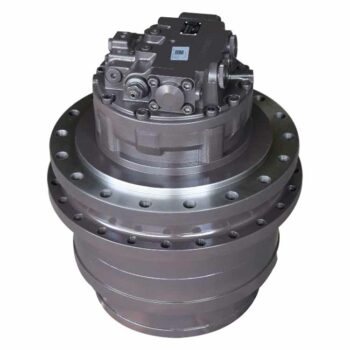
Considerations for Selecting Planetary Gearboxes for Aerospace and Satellite Applications
Selecting planetary gearboxes for aerospace and satellite applications requires careful consideration due to the unique demands of these industries:
- Weight and Size: Aerospace and satellite systems demand lightweight and compact components. Planetary gearboxes with high power density and lightweight materials are preferred to minimize the overall weight and size of the equipment.
- Reliability: Aerospace missions involve critical operations where component failure is not an option. Planetary gearboxes with a proven track record of reliability and durability are essential to ensure mission success.
- High Efficiency: Efficiency is crucial in aerospace applications to optimize power usage and extend the operational life of satellites. Planetary gearboxes with high efficiency ratings contribute to energy conservation.
- Extreme Environments: Aerospace and satellite systems are exposed to harsh conditions such as vacuum, extreme temperatures, and radiation. Planetary gearboxes need to be designed and tested to withstand these conditions without compromising performance.
- Precision and Accuracy: Many aerospace operations require precise positioning and accurate control. Planetary gearboxes with minimal backlash and high precision gear meshing contribute to accurate movements.
- Lubrication: Lubrication plays a vital role in aerospace gearboxes to ensure smooth operation and prevent wear. Gearboxes with efficient lubrication systems or self-lubricating materials are favored.
- Redundancy and Fail-Safe: Some aerospace systems incorporate redundancy to ensure mission success even in case of component failure. Planetary gearboxes with built-in redundancy or fail-safe mechanisms enhance system reliability.
- Integration: Planetary gearboxes need to be seamlessly integrated into the overall design of aerospace and satellite systems. Customization options and compatibility with other components are important factors.
Overall, selecting planetary gearboxes for aerospace and satellite applications involves a comprehensive evaluation of factors related to weight, reliability, efficiency, durability, environmental resistance, precision, and integration to meet the unique demands of these industries.
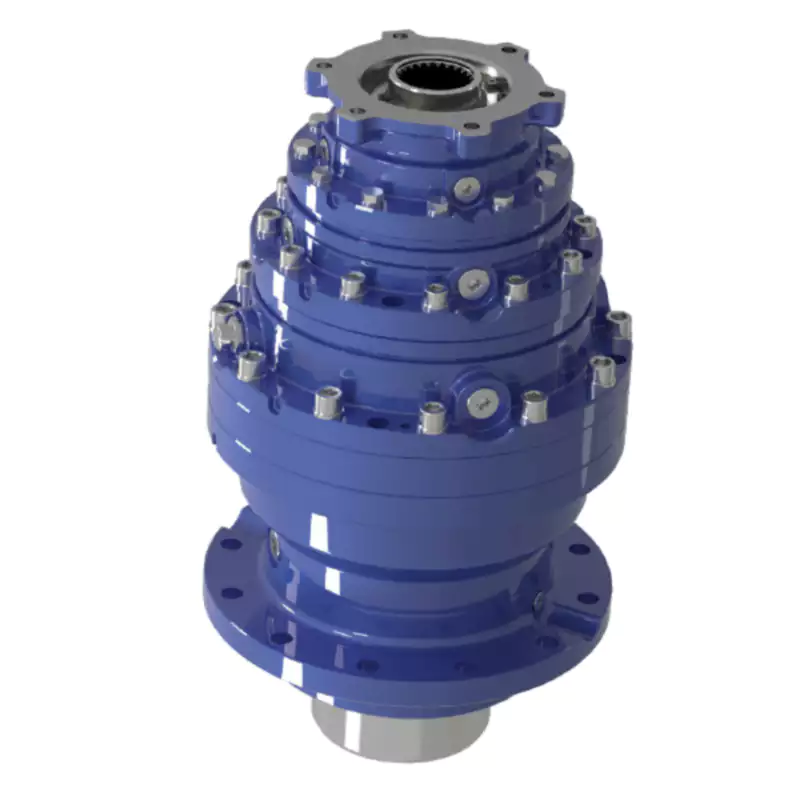
The Role of Lubrication and Cooling in Maintaining Planetary Gearbox Performance
Lubrication and cooling are essential factors in ensuring the optimal performance and longevity of planetary gearboxes. Here’s how they play a crucial role:
Lubrication: Proper lubrication is vital for reducing friction and wear between gear teeth and other moving components within the gearbox. It forms a protective layer that prevents metal-to-metal contact and minimizes heat generation. The lubricant also helps dissipate heat and contaminants, ensuring a smoother and quieter operation.
Using the right type of lubricant and maintaining the proper lubrication level are essential. Over time, lubricants may degrade due to factors like temperature, load, and operating conditions. Regular lubricant analysis and replacement help maintain optimal gearbox performance.
Cooling: Planetary gearboxes can generate significant heat during operation due to friction and power transmission. Excessive heat can lead to lubricant breakdown, reduced efficiency, and premature wear. Cooling mechanisms, such as cooling fans, fins, or external cooling systems, help dissipate heat and maintain a stable operating temperature.
Efficient cooling prevents overheating and ensures consistent lubricant properties, extending the life of the gearbox components. It’s particularly important in applications with high-speed or high-torque requirements.
Overall, proper lubrication and cooling practices are essential to prevent excessive wear, maintain efficient power transmission, and prolong the service life of planetary gearboxes. Regular maintenance and monitoring of lubrication quality and cooling effectiveness are key to ensuring the continued performance of these gearboxes.
Energy Efficiency of a Worm Gearbox: What to Expect
The energy efficiency of a worm gearbox is an important factor to consider when evaluating its performance. Here’s what you can expect in terms of energy efficiency:
- Typical Efficiency Range: Worm gearboxes are known for their compact size and high gear reduction capabilities, but they can exhibit lower energy efficiency compared to other types of gearboxes. The efficiency of a worm gearbox typically falls in the range of 50% to 90%, depending on various factors such as design, manufacturing quality, lubrication, and load conditions.
- Inherent Losses: Worm gearboxes inherently involve sliding contact between the worm and worm wheel. This sliding contact generates friction, leading to energy losses in the form of heat. The sliding action also contributes to lower efficiency when compared to gearboxes with rolling contact.
- Helical-Worm Design: Some manufacturers offer helical-worm gearbox designs that combine elements of helical and worm gearing. These designs aim to improve efficiency by incorporating helical gears in the reduction stage, which can lead to higher efficiency compared to traditional worm gearboxes.
- Lubrication: Proper lubrication plays a significant role in minimizing friction and improving energy efficiency. Using high-quality lubricants and ensuring the gearbox is adequately lubricated can help reduce losses due to friction.
- Application Considerations: While worm gearboxes might have lower energy efficiency compared to other types of gearboxes, they still offer advantages in terms of compactness, high torque transmission, and simplicity. Therefore, the decision to use a worm gearbox should consider the specific requirements of the application, including the trade-off between energy efficiency and other performance factors.
When selecting a worm gearbox, it’s essential to consider the trade-offs between energy efficiency, torque transmission, gearbox size, and the specific needs of the application. Regular maintenance, proper lubrication, and selecting a well-designed gearbox can contribute to achieving the best possible energy efficiency within the limitations of worm gearbox technology.


editor by CX 2024-02-13