Product Description
Product Overview
FEATURES AT A GLANCE
PRODUCT SPECIFICATIONS
SALES AND SERVICE NETWORK
Successful Project
Project in Thailand
Project in India
Project in Russia
SIMILAR PRODUCTS
FAQ
1. Are you trading company or manufacturer ? -We are manufacturer. 2. What is the transportation?
-If small quantity, we suggest to send by express, such as DHL,UPS,TNT FEDEX. If large amount, by air or sea shipping.
3. Can you provide OEM service?
-Yes, we work on OEM orders. Which means size, quantity, design, packing solution, etc will depend on your requests; and your
logo will be customized on our products.
4. Could you tell me the delivery time of your goods?
– Depending on the difficulty and quantity of product processing, a reasonable arrival time will be given to you.
5. What about your after-sales service?
– Tell me your e-mail or other social accounts, I will show you the details.
/* January 22, 2571 19:08:37 */!function(){function s(e,r){var a,o={};try{e&&e.split(“,”).forEach(function(e,t){e&&(a=e.match(/(.*?):(.*)$/))&&1
| Application: | Motor, Electric Cars, Motorcycle, Machinery, Marine, Toy, Agricultural Machinery |
|---|---|
| Hardness: | Hardened Tooth Surface |
| Installation: | Vertical Type |
| Layout: | Coaxial |
| Gear Shape: | Conical – Cylindrical Gear |
| Step: | Single-Step |
| Customization: |
Available
| Customized Request |
|---|
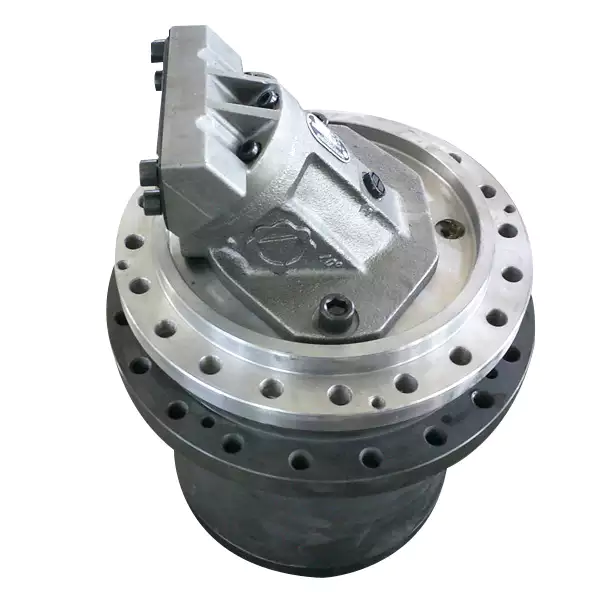
Concept of Coaxial and Parallel Shaft Arrangements in Planetary Gearboxes
Coaxial and parallel shaft arrangements refer to the orientation of the input and output shafts in a planetary gearbox:
- Coaxial Shaft Arrangement: In this arrangement, the input and output shafts are aligned along the same axis, with one shaft passing through the center of the other. This design results in a compact and space-efficient gearbox, making it suitable for applications with limited space. Coaxial planetary gearboxes are commonly used in scenarios where the gearbox needs to be integrated into a compact housing or enclosure.
- Parallel Shaft Arrangement: In a parallel shaft arrangement, the input and output shafts are positioned parallel to each other but not on the same axis. Instead, they are offset from each other. This configuration allows for greater flexibility in designing the layout of the gearbox and the surrounding machinery. Parallel shaft planetary gearboxes are often used in applications where the spatial arrangement requires the input and output shafts to be positioned in different locations.
The choice between a coaxial and parallel shaft arrangement depends on factors such as available space, mechanical requirements, and the desired layout of the overall system. Coaxial arrangements are advantageous when space is limited, while parallel arrangements offer more design flexibility for accommodating various spatial constraints.
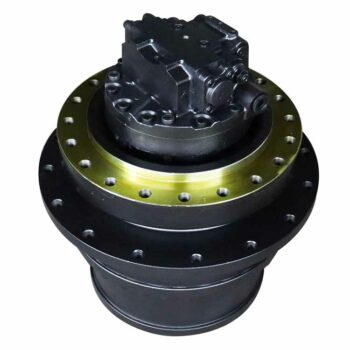
Impact of Temperature Variations and Environmental Conditions on Planetary Gearbox Performance
The performance of planetary gearboxes can be significantly influenced by temperature variations and environmental conditions. Here’s how these factors impact their operation:
Temperature Variations: Extreme temperature fluctuations can affect the lubrication properties of the gearbox. Cold temperatures can cause the lubricant to thicken, leading to increased friction and reduced efficiency. On the other hand, high temperatures can cause the lubricant to thin out, potentially leading to insufficient lubrication and accelerated wear.
Environmental Contaminants: Planetary gearboxes used in outdoor or industrial environments can be exposed to contaminants such as dust, dirt, moisture, and chemicals. These contaminants can infiltrate the gearbox and degrade the quality of the lubricant. Additionally, abrasive particles can cause wear on gear surfaces, leading to decreased performance and potential damage.
Corrosion: Exposure to moisture, especially in humid or corrosive environments, can lead to corrosion of gearbox components. Corrosion weakens the structural integrity of gears and other components, which can ultimately result in premature failure.
Thermal Expansion: Temperature changes can cause materials to expand and contract. In gearboxes, this can lead to misalignment of gears and improper meshing, causing noise, vibration, and reduced efficiency. Proper consideration of thermal expansion is crucial in gearbox design.
Sealing and Ventilation: To mitigate the impact of temperature and environmental factors, planetary gearboxes need effective sealing to prevent contaminants from entering and to retain the lubricant. Proper ventilation is also essential to prevent pressure build-up inside the gearbox due to temperature changes.
Cooling Systems: In applications where temperature control is critical, cooling systems such as fans or heat exchangers can be incorporated to maintain optimal operating temperatures. This helps prevent overheating and ensures consistent gearbox performance.
Overall, temperature variations and environmental conditions can have a profound impact on the performance and lifespan of planetary gearboxes. Manufacturers and operators need to consider these factors during design, installation, and maintenance to ensure reliable and efficient operation.
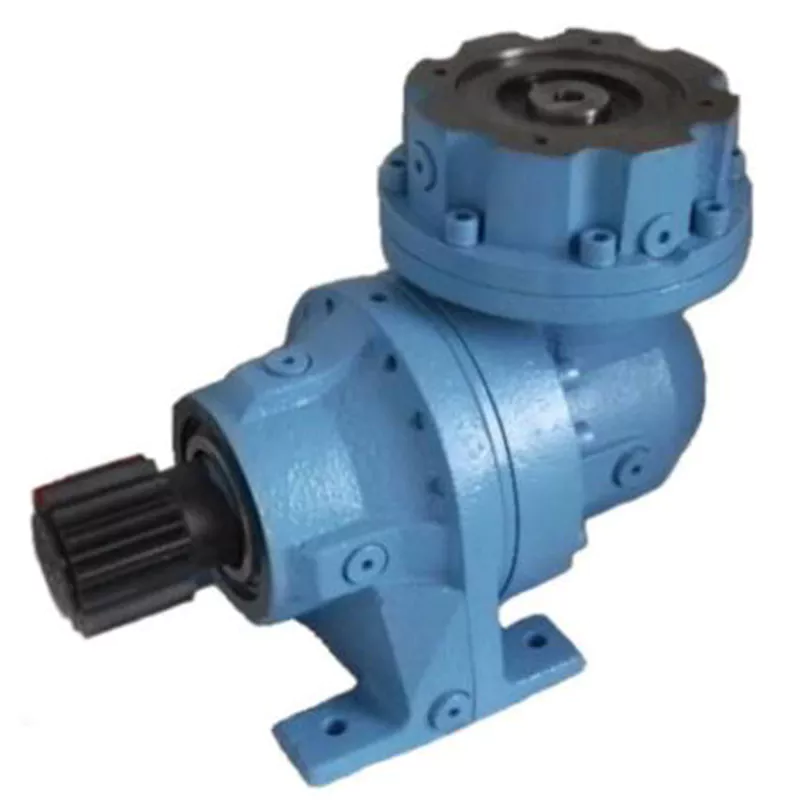
Examples of High Torque and Compact Design Applications for Planetary Gearboxes
Planetary gearboxes excel in applications where high torque output and a compact design are essential. Here are some scenarios where these characteristics are crucial:
- Automotive Transmissions: In modern vehicles, planetary gearboxes are used in automatic transmissions to efficiently transmit engine power to the wheels. The compact size of planetary gearboxes allows for integration within the limited space of a vehicle’s transmission housing.
- Robotics: Planetary gearboxes are utilized in robotic arms and joints, where compactness is essential to maintain the robot’s overall size while providing the necessary torque for precise and controlled movement.
- Conveyor Systems: Conveyor belts in industries like material handling and manufacturing often require high torque to move heavy loads. The compact design of planetary gearboxes allows them to be integrated into the conveyor system’s framework.
- Wind Turbines: Wind turbine applications demand high torque to convert low wind speeds into sufficient rotational force for power generation. The compact design of planetary gearboxes helps optimize space within the turbine’s nacelle.
- Construction Machinery: Heavy equipment used in construction, such as excavators and loaders, rely on planetary gearboxes to provide the necessary torque for digging and lifting operations without adding excessive weight to the machinery.
- Marine Propulsion: Planetary gearboxes play a crucial role in marine propulsion systems by efficiently transmitting high torque from the engine to the propeller shaft. The compact design is particularly important in the limited space of a ship’s engine room.
These examples highlight the significance of planetary gearboxes in applications where both high torque output and a compact footprint are vital considerations. Their ability to deliver efficient torque conversion within a small space makes them well-suited for a wide range of industries and machinery.


editor by CX 2024-04-26