Product Description
|
Model |
PAD064 |
|
Ratio |
70 |
|
Backlash |
P2 ( ≤8arcmin ) |
|
Rated Output Torque |
50 Nm |
|
Rated Input Speed |
5000 rpm |
|
Effciency |
≥97% |
|
Torsional Rigidity |
13 |
|
Lubrication |
Synthetic Grease |
|
Operating Temperature |
-15ºC~+90ºC |
|
Protection Temperature |
IP65 |
|
Mounting Position |
Any Direction |
|
Service Life |
22000 hours |
- Overview of PAD Planetary Gearbox
* PAD series features of high precision and low backlash
* 3F PAD series adopts integral ball bearings to realize high rigidity and high torque
* Due to the use of tapered needle roller bearing, it achieve the high load capacity.
* The PAD Speed reducer can be matched with any brands of motors.
* Free maintenance and long service life
Product Parameters
Detailed Photos
14 types of speed building ratio:=4-100
Minimum return interval: P0, P1P2
Maximum output torque: 23N. m-650N. m
Extremely high torsional rigidity and excellent performance
The highest load free policy is used in conditions with extremely high bearing capacity
Optimize power transmission and increase efficiency line by 98%
Very quiet during operation
Lifetime lubrication, no push protection
Fully sealed, IP65 protection level
Shortest structure and flexible installation
Small model: 64.90.110.140
Application
Product Description
Precision planetary gear reducer is another name for planetary gear reducer in the industry. Its main transmission structure is planetary gear, sun gear and inner gear ring.
Compared with other gear reducers, precision planetary gear reducers have the characteristics of high rigidity, high precision (single stage can achieve less than 1 point), high transmission efficiency (single stage can achieve 97% – 98%), high torque/volume ratio, lifelong maintenance-free, etc. Most of them are installed on stepper motor and servo motor to reduce speed, improve torque and match inertia.
Company Profile
Certifications
Packaging & Shipping
/* March 10, 2571 17:59:20 */!function(){function s(e,r){var a,o={};try{e&&e.split(“,”).forEach(function(e,t){e&&(a=e.match(/(.*?):(.*)$/))&&1
| Hardness: | Hardened Tooth Surface |
|---|---|
| Installation: | Vertical Type |
| Layout: | Coaxial |
| Gear Shape: | Planetary |
| Step: | Single-Step |
| Type: | Gear Reducer |
| Samples: |
US$ 100/Piece
1 Piece(Min.Order) | |
|---|
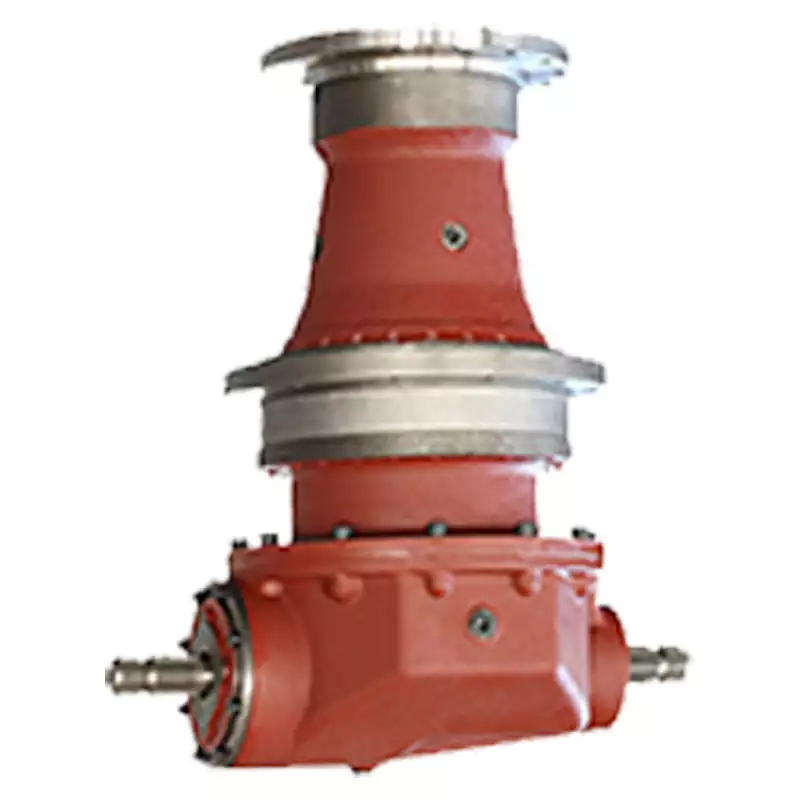
Contribution of Planetary Gearboxes to Conveyor Belt Efficiency in Mining Operations
Planetary gearboxes play a significant role in enhancing the efficiency of conveyor belts used in mining operations:
- High Torque Capability: Planetary gearboxes are capable of providing high torque output, which is essential for handling heavy loads of mined materials on conveyor belts.
- Compact Design: The compact nature of planetary gearboxes allows them to be integrated into tight spaces, making them suitable for conveyor systems where space is limited.
- Multi-Stage Design: Planetary gearboxes can achieve high gear ratios through multiple stages of gear reduction. This allows for efficient power transmission from the motor to the conveyor, reducing the load on the motor and increasing overall efficiency.
- Load Distribution: Planetary gearboxes distribute the load across multiple planet gears, which helps in minimizing wear and ensuring longer lifespan of the gearbox.
- Variable Speed Control: By using planetary gearboxes with variable speed capabilities, conveyor belts can be operated at different speeds to match the processing requirements, optimizing material handling and energy consumption.
- Overload Protection: Some planetary gearboxes feature built-in overload protection mechanisms, safeguarding the gearbox and conveyor system from damage due to sudden increases in load.
Overall, planetary gearboxes enhance the efficiency, reliability, and performance of conveyor belts in mining operations by providing the necessary torque, compact design, and precise control needed to transport mined materials effectively.
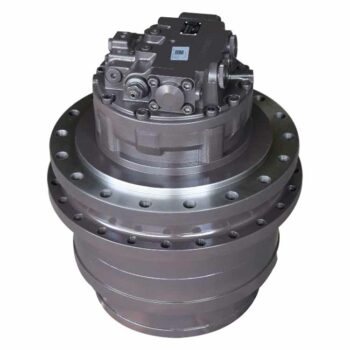
Differences Between Inline and Right-Angle Planetary Gearbox Configurations
Inline and right-angle planetary gearbox configurations are two common designs with distinct characteristics suited for various applications. Here’s a comparison of these configurations:
Inline Planetary Gearbox:
- Configuration: In an inline configuration, the input and output shafts are aligned along the same axis. The sun gear, planetary gears, and ring gear are typically arranged in a straight line.
- Compactness: Inline gearboxes are more compact and have a smaller footprint, making them suitable for applications with limited space.
- Efficiency: Inline configurations tend to have slightly higher efficiency due to the direct alignment of components.
- Output Speed and Torque: Inline gearboxes are better suited for applications that require higher output speeds and lower torque.
- Applications: They are commonly used in robotics, conveyors, printing machines, and other applications where space is a consideration.
Right-Angle Planetary Gearbox:
- Configuration: In a right-angle configuration, the input and output shafts are oriented at a 90-degree angle to each other. This allows for a change in direction of power transmission.
- Space Flexibility: Right-angle gearboxes offer flexibility in arranging components, making them suitable for applications that require changes in direction or where space constraints prevent a straight-line configuration.
- Torque Capacity: Right-angle configurations can handle higher torque loads due to the increased surface area of gear engagement.
- Applications: They are often used in cranes, elevators, conveyor systems, and applications requiring a change in direction.
- Efficiency: Right-angle configurations may have slightly lower efficiency due to increased gear meshing complexity and potential for additional losses.
Choosing between inline and right-angle configurations depends on factors such as available space, required torque and speed, and the need for changes in power transmission direction. Each configuration offers distinct advantages based on the specific needs of the application.
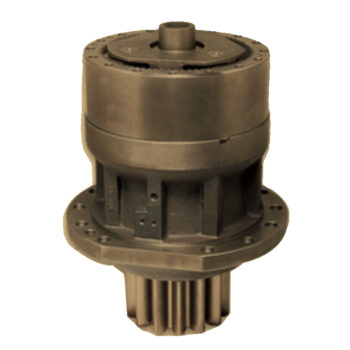
Common Applications and Industries of Planetary Gearboxes
Planetary gearboxes are widely utilized across various industries and applications due to their unique design and performance characteristics. Some common applications and industries where planetary gearboxes are commonly used include:
- Automotive Industry: Planetary gearboxes are found in automatic transmissions, hybrid vehicle systems, and powertrains. They provide efficient torque conversion and variable gear ratios.
- Robotics: Planetary gearboxes are used in robotic joints and manipulators, providing compact and high-torque solutions for precise movement.
- Industrial Machinery: They are employed in conveyors, cranes, pumps, mixers, and various heavy-duty machinery where high torque and compact design are essential.
- Aerospace: Aerospace applications include aircraft actuation systems, landing gear mechanisms, and satellite deployment mechanisms.
- Material Handling: Planetary gearboxes are used in equipment like forklifts and pallet jacks to provide controlled movement and high lifting capabilities.
- Renewable Energy: Wind turbines use planetary gearboxes to convert low-speed, high-torque rotational motion of the blades into higher-speed rotational motion for power generation.
- Medical Devices: Planetary gearboxes find applications in medical imaging equipment, prosthetics, and surgical robots for precise and controlled motion.
- Mining and Construction: Planetary gearboxes are used in heavy equipment like excavators, loaders, and bulldozers to handle heavy loads and provide controlled movement.
- Marine Industry: They are employed in marine propulsion systems, winches, and steering mechanisms, benefiting from their compact design and high torque capabilities.
The versatility of planetary gearboxes makes them suitable for applications that require compact size, high torque density, and efficient power transmission. Their ability to handle varying torque loads, offer high gear ratios, and maintain consistent performance has led to their widespread adoption across numerous industries.


editor by CX 2024-02-20