Product Description
High precision
Standard backlash is 3 arc-min, ideal for precisioncontrol.
High rigidity & torque
High rigidity & high torque were achived by uncagedneedle roller bearings.
High load capacity
Adopting taper roller bearing for the main output shaftto increase radial and axial load.ЖFrame size 064·090 adopt ball bearing.
Adapter-bushing connection
Can be attached to any motor all over the world.
No grease leakagePerfect solution using high viscosity anti-separationgrease.
Maintenance-free
No need to replace the grease for the life of the unit.
Can be attached in any position.
Application areas: Industrial automation, supporting mobile robots, SCARA robots, parallel manipulators, printing machinery, laser cutting machines, packaging machinery, pharmaceutical machinery, pipe bending machines, spring machines, non-standard automation equipment and other industries
Rated power: 50w-5Kw
Input speed: 0-3000rpm
Output input speed: 0-1000rpm
Output torque: 18-2400Nm
application area
In the field of industrial automation, supporting industries such as mobile robots, SCARA robots, parallel manipulators, printing machinery, laser cutting machines, packaging machinery, pharmaceutical machinery, pipe bending machines, spring machines, non-standard automation equipment, etc
Planetary gearbox frame coding:
MK. RC, RCK, MP, MKAT
Transmission code:
60, 75, 90, 100, 110, 115, 120, 140, 180, 210, 220, 240, 255
Ratio:
Level 1: 3, 4, 5, 6, 7, 8 9. 10
Level 2: 15, 16, 20, 25, 28, 30, 35, 40, 45, 50, 60, 70, 80, 90, 100
Bounce:
Accuracy ≤ 3 arc
Output shaft type:
Keyless shaft, keyed shaft, flange output
Application field:
Industrial automation field; Printing/packaging machinery, medical machinery pipe bending machines; Spring machine; Non standard automation equipment and other industries; AGV mobile robot: SCARA robot: parallel robot; Laser cutting machine, automatic moving fork
Transmission code: 60, 75, 90, 100, 110, 115, 120, 140, 180, 210, 220, 240, 255
Ratio: Level 1: 3, 4, 5, 6, 7, 8 9. 10
Level 2: 15, 16, 20, 25, 28, 30, 35, 40, 45, 50, 60, 70, 80, 90, 100
Bounce: Accuracy ≤ 3 arc
Output shaft type: Keyless shaft, keyed shaft, flange output
Application field:
Industrial automation field; Printing/packaging machinery, medical machinery pipe bending machines; Spring machine; Non standard automation equipment and other industries; AGV mobile robot: SCARA robot: parallel robot; Laser cutting machine, automatic moving fork
Planetary Gears – a masterclass for mechanical engineers
- Planetary gear sets contain a central sun gear, surrounded by several planet gears, held by a planet carrier, and enclosed within a ring gear
- The sun gear, ring gear, and planetary carrier form 3 possible input/outputs from a planetary gear set
- Typically, 1 portion of a planetary set is held stationary, yielding a single input and a single output, with the overall gear ratio depending on which part is held stationary, which is the input, and which the output
- Instead of holding any part stationary, 2 parts can be used as inputs, with the single output being a function of the 2 inputs
- This can be accomplished in a two-stage gearbox, with the first stage driving 2 portions of the second stage. A very high gear ratio can be realized in a compact package. This kind of arrangement is sometimes called a ‘differential planetary’ set
/* January 22, 2571 19:08:37 */!function(){function s(e,r){var a,o={};try{e&&e.split(“,”).forEach(function(e,t){e&&(a=e.match(/(.*?):(.*)$/))&&1
| Application: | Electric Cars, Motorcycle, Machinery, Marine, Agricultural Machinery, Car |
|---|---|
| Hardness: | Hardened Tooth Surface |
| Installation: | Vertical Type |
| Layout: | Coaxial |
| Gear Shape: | Conical – Cylindrical Gear |
| Step: | Stepless |
| Samples: |
US$ 249/Piece
1 Piece(Min.Order) | |
|---|
| Customization: |
Available
| Customized Request |
|---|
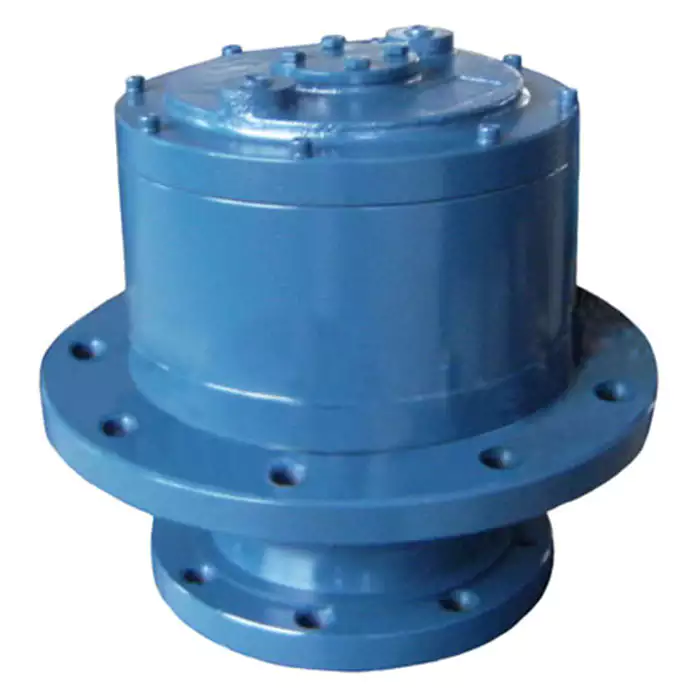
Contribution of Planetary Gearboxes to Conveyor Belt Efficiency in Mining Operations
Planetary gearboxes play a crucial role in enhancing the efficiency and performance of conveyor belts in mining operations:
- High Torque Transmission: Planetary gearboxes are capable of transmitting high torque with minimal backlash. This feature ensures that the gearbox efficiently handles the substantial load requirements of conveyor belts used in mining, preventing slippage and ensuring reliable material transportation.
- Compact Design: The compact size of planetary gearboxes allows them to be integrated seamlessly into conveyor systems, optimizing space utilization and allowing for efficient equipment layout in mining environments.
- Variable Speed Control: Planetary gearboxes provide precise speed control and can accommodate various speed requirements of conveyor belts. This versatility allows operators to adjust the conveyor speed to match specific material handling needs.
- High Efficiency: The inherent design of planetary gearboxes minimizes energy losses due to efficient power transmission. This efficiency translates into reduced energy consumption and operational costs over the lifetime of the conveyor system.
- Reliability and Durability: Planetary gearboxes are engineered to withstand demanding conditions often encountered in mining environments, including shock loads, abrasive materials, and harsh weather. Their robust construction ensures reliable operation and minimal downtime.
- Low Maintenance: The durability of planetary gearboxes leads to reduced maintenance requirements. This benefit is particularly valuable in mining operations where minimizing downtime is essential for maintaining high productivity levels.
- Customizability: Planetary gearboxes can be tailored to suit specific conveyor system requirements, including gear ratios, torque ratings, and mounting options. This flexibility allows for optimized system design and performance.
By effectively transmitting power, providing accurate speed control, and offering a compact and robust design, planetary gearboxes significantly enhance the efficiency and reliability of conveyor belts in mining operations. Their ability to handle high loads, operate with low maintenance needs, and withstand harsh conditions contributes to improved productivity and reduced operational costs.
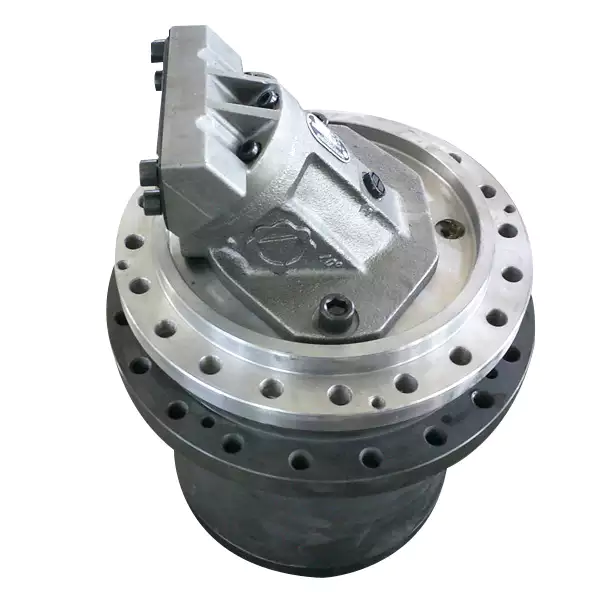
Maintenance Practices to Extend the Lifespan of Planetary Gearboxes
Proper maintenance is essential for ensuring the longevity and optimal performance of planetary gearboxes. Here are specific maintenance practices that can help extend the lifespan of planetary gearboxes:
1. Regular Inspections: Implement a schedule for routine visual inspections of the gearbox. Look for signs of wear, damage, oil leaks, and any abnormal conditions. Early detection of issues can prevent more significant problems.
2. Lubrication: Adequate lubrication is crucial for reducing friction and wear between gearbox components. Follow the manufacturer’s recommendations for lubricant type, viscosity, and change intervals. Ensure that the gearbox is properly lubricated to prevent premature wear.
3. Proper Installation: Ensure the gearbox is installed correctly, following the manufacturer’s guidelines and specifications. Proper alignment, torque settings, and clearances are critical to prevent misalignment-related wear and other issues.
4. Load Monitoring: Avoid overloading the gearbox beyond its designed capacity. Excessive loads can accelerate wear and reduce the gearbox’s lifespan. Regularly monitor the load conditions and ensure they are within the gearbox’s rated capacity.
5. Temperature Control: Maintain the operating temperature within the recommended range. Excessive heat can lead to accelerated wear and lubricant breakdown. Adequate ventilation and cooling measures may be necessary in high-temperature environments.
6. Seal and Gasket Inspection: Regularly check seals and gaskets for signs of leakage. Damaged seals can lead to lubricant loss and contamination, which can cause premature wear and gear damage.
7. Vibration Analysis: Use vibration analysis techniques to detect early signs of misalignment, imbalance, or other mechanical issues. Monitoring vibration levels can help identify problems before they lead to serious damage.
8. Preventive Maintenance: Establish a preventive maintenance program based on the gearbox’s operational conditions and usage. Perform scheduled maintenance tasks such as gear inspections, lubricant changes, and component replacements as needed.
9. Training and Documentation: Ensure that maintenance personnel are trained in proper gearbox maintenance procedures. Keep comprehensive records of maintenance activities, inspections, and repairs to track the gearbox’s condition and history.
10. Consult Manufacturer Guidelines: Always refer to the manufacturer’s maintenance and servicing guidelines specific to the gearbox model and application. Following these guidelines will help maintain warranty coverage and ensure best practices are followed.
By adhering to these maintenance practices, you can significantly extend the lifespan of your planetary gearbox, minimize downtime, and ensure reliable performance for your industrial machinery or application.
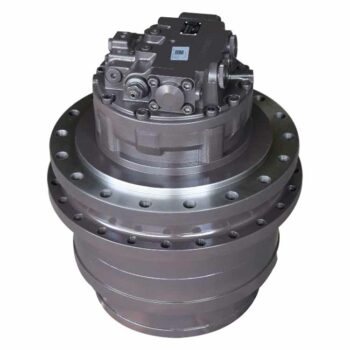
Energy Efficiency of a Worm Gearbox: What to Expect
The energy efficiency of a worm gearbox is an important factor to consider when evaluating its performance. Here’s what you can expect in terms of energy efficiency:
- Typical Efficiency Range: Worm gearboxes are known for their compact size and high gear reduction capabilities, but they can exhibit lower energy efficiency compared to other types of gearboxes. The efficiency of a worm gearbox typically falls in the range of 50% to 90%, depending on various factors such as design, manufacturing quality, lubrication, and load conditions.
- Inherent Losses: Worm gearboxes inherently involve sliding contact between the worm and worm wheel. This sliding contact generates friction, leading to energy losses in the form of heat. The sliding action also contributes to lower efficiency when compared to gearboxes with rolling contact.
- Helical-Worm Design: Some manufacturers offer helical-worm gearbox designs that combine elements of helical and worm gearing. These designs aim to improve efficiency by incorporating helical gears in the reduction stage, which can lead to higher efficiency compared to traditional worm gearboxes.
- Lubrication: Proper lubrication plays a significant role in minimizing friction and improving energy efficiency. Using high-quality lubricants and ensuring the gearbox is adequately lubricated can help reduce losses due to friction.
- Application Considerations: While worm gearboxes might have lower energy efficiency compared to other types of gearboxes, they still offer advantages in terms of compactness, high torque transmission, and simplicity. Therefore, the decision to use a worm gearbox should consider the specific requirements of the application, including the trade-off between energy efficiency and other performance factors.
When selecting a worm gearbox, it’s essential to consider the trade-offs between energy efficiency, torque transmission, gearbox size, and the specific needs of the application. Regular maintenance, proper lubrication, and selecting a well-designed gearbox can contribute to achieving the best possible energy efficiency within the limitations of worm gearbox technology.


editor by CX 2024-03-04